How To Use and Clean Up Wax Resist in a Ceramics Studio

 
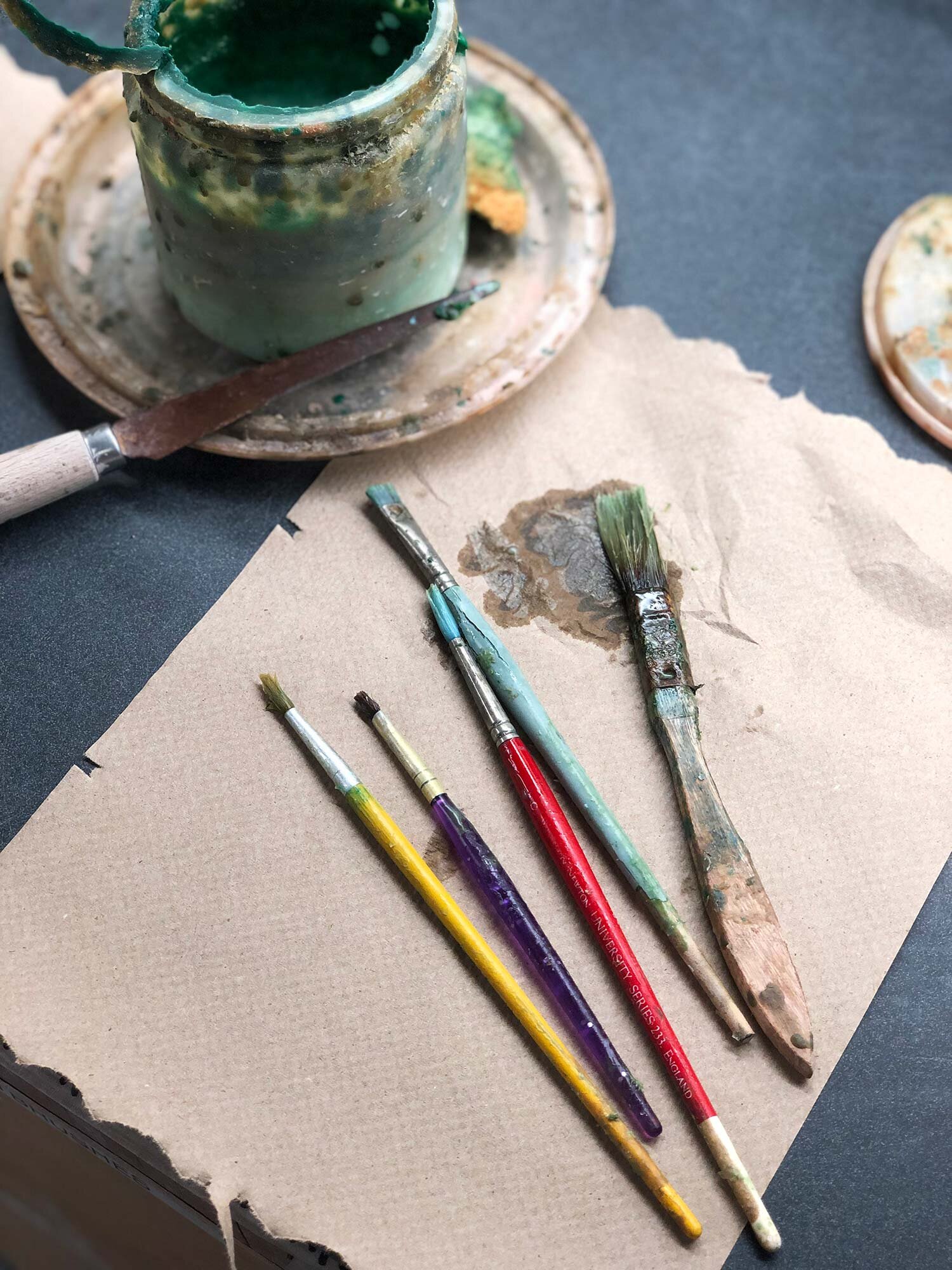
Brushes covered in wax. In this post, we’ll show you how to clean them with boiling water.

Brushes covered in wax. In this post, we’ll show you how to clean them with boiling water.


Wax resist is a great thing to use with ceramics and pottery. It gives you a lot of decorative glazing options, and is useful when glazing rims, lids, feet—anywhere you need to keep free of glaze. But inevitably, you will have to clean it up.

The best way to clean wax resist is with boiling water. Below is a step-by-step tutorial of how to clean your wax brushes and container. There’s also a review a favorite electric water kettle, and some tips of how to best use wax resist. The post will start with a review of wax resists.


Table of Contents

  • Our Favorite Wax Resist: Amaco Green Wax
  • How to Use Wax: Tips and Tricks

  • What You Can Do With Wax

  • How to Clean Wax Brushes tutorial

  • Our Favorite Electric Water Kettle

  • Wrap-Up: Wax Resist Use and Clean Up


The Best Wax Resist

The best wax resist is the green Amaco Wax Resist available in pints and gallon jugs. It’s a premium wax resist that doesn’t peel or fall off when using on top of other glazes for decorative effects. You can buy it by the gallon, which is more economical. One gallon lasts 12 to 15 months in a busy community studio, so a pint is probably an appropriate amount for an individual studio. This resist does everything you need a wax to do and the green dye makes it easy to see on bisqueware or if it drips on a counter top. Out of the bottle, it’s a bit thick so it’s recommended to water it down by about 1/3 to 1/2 with hot tap water.

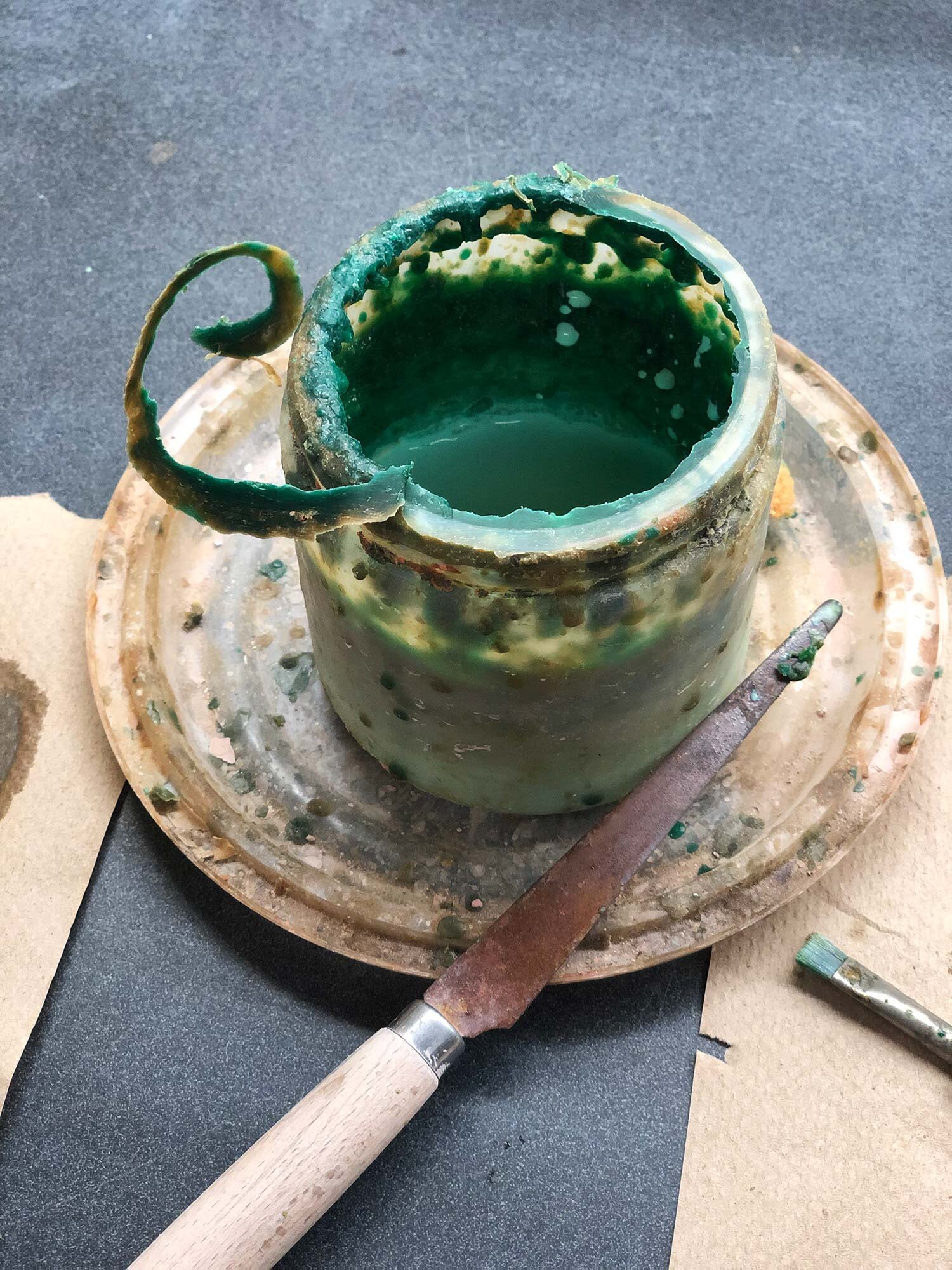
To store the watered-down wax, use an old container that can also hold your designated wax brush. To make cleanup easier, put a plastic plate or take-out-lid underneath, and and make a notched lid to go around the brushes to prevent the wax from drying. As needed, top up the jar with more wax and water. Inevitably, the brushes and sides of the jar will get wax build up. Below is a tutorial on how to clean this with boiling water.

Buying by the gallon and using a jar is a trade-off. It’s economical to buy in bulk, but the wax jar does take some maintenance. For a busy academic or community studio, this is an easier system to use and maintain than a pint jar with a threaded, screw-on lid. In most shared studios, those threads never stay clean which means the cap is never screwed on tight which can mean…ugh…semi-frequent spills of a pint of wax resist. You definitely don’t want a pint of wax resist all over your floor.

Shop Amaco Wax Resist at Blick

How to Use Wax: Tips and Tricks

This post is mainly about cleaning up wax resist, but here’s a quick overview of how to use wax resist:
Some recommend painting wax resist on the bottom of every pot, but I do not. Instead, think about your piece: will it be easier to clean up your glaze with or without wax? If it’s a large, flat form like a plate, you probably should use wax to cover the bottom. If it’s a small foot ring, it will be easier and faster to clean with a sponge. The key with wax is that you don’t want to unnecessarily waste time, material, or energy because of drips or simply using wax where you don’t need it.
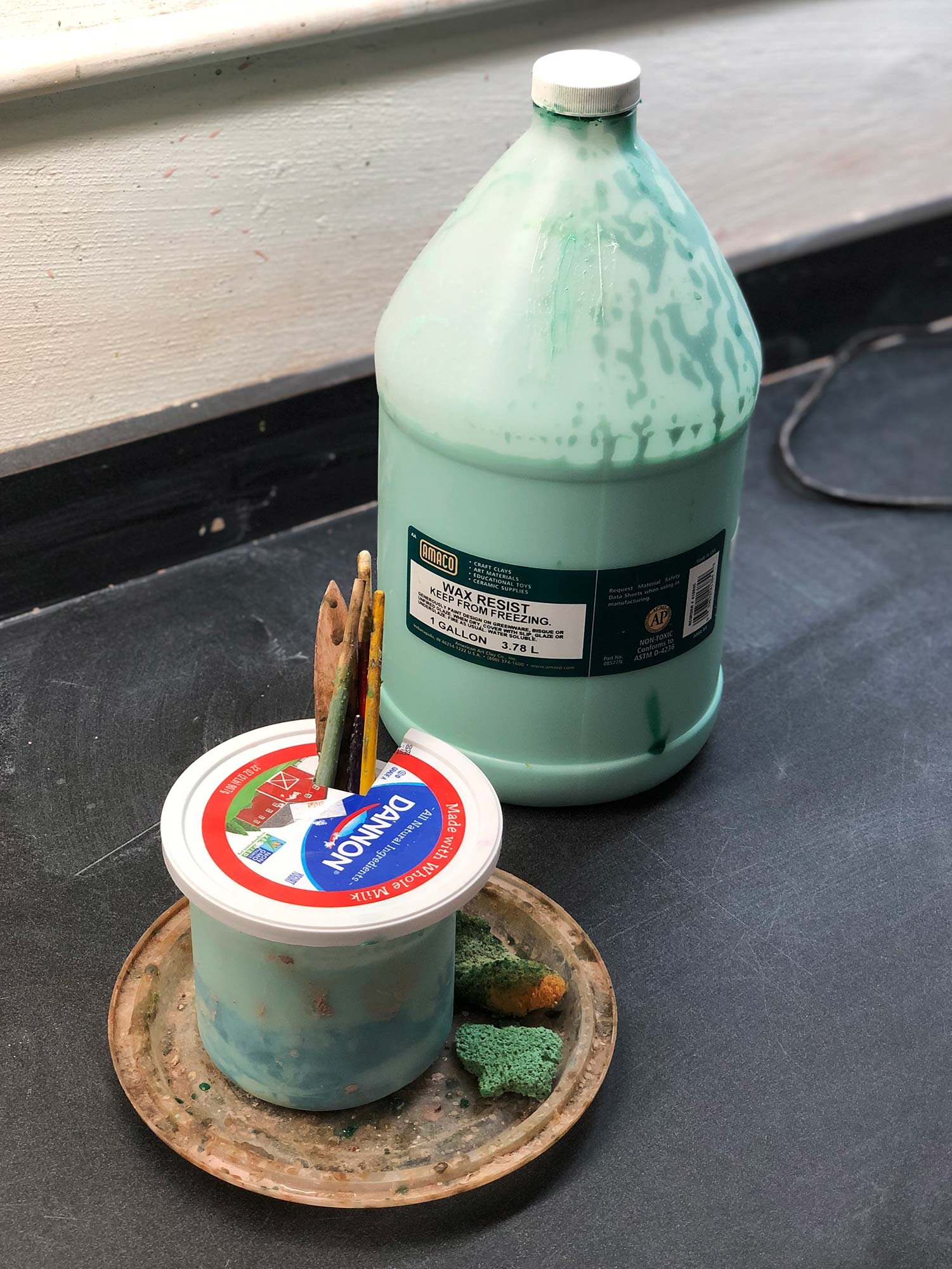
  • As mentioned above, watered-down wax resist is preferred because it dries faster and leads to less build-up on your ware. A thin coat is all you need. Mix 1/3 hot tap water to 2/3 wax resist and stir. You might be able to go thinner! Test what works for you.

  • When applying, be careful to not create drips or puddles where you don’t want wax to go. To remove wax, you may have to re-bisque fire a piece. Alternately, you can remove by sanding or scraping, or by pouring boiling water on the bisqueware. The problem is that wax gets into the pores of your bisqueware, so it can be hard to remove.

  • Allow wax to dry completely before glazing. This can take 15-30 minutes.

  • Wax can be great as a decorative tool, especially on top of one glaze to create a resist effect in combination with a second coat. Cheaper wax resist options often peel up or don’t work on top of a chalky, dried glaze. That’s one reason to use the green Amaco wax. It works on top of every glaze I’ve tested and stays in place with no peeling.

  • Keep in mind that wax burns off anywhere from about 200–500 degrees. It doesn’t do anything to protect your kiln shelves. As this burning can create some smell and a small amount of smoke, it’s best to minimize wax use if your kilns are indoors. Definitely vent your kilns!

Other ideas for wax in the studio

  • Paint over thin areas of greenware to slow the drying of the clay.

  • Lid Wax: add 1/2 cup Alumina Hydrate to 1 pint wax to create a special wax for firing lids on pots. When the wax burns off, the powdered, refractory alumina hydrate will stay behind, leaving a chalky resist. This will hopefully prevent glaze runs, etc, that could cause the lid to stick to the rim of the pot.

Shop Amaco Wax Resist at Blick


How to Clean Wax Brushes and Jars: A Tutorial

To prevent contamination and keep things efficient and functional, designate 3 or 4 brushes of different sizes as wax brushes. These brushes sit in the wax resist pot, and over time, wax builds up on the sides of the brushes and the rim of the wax jar. Here is how to clean them.

Step 1

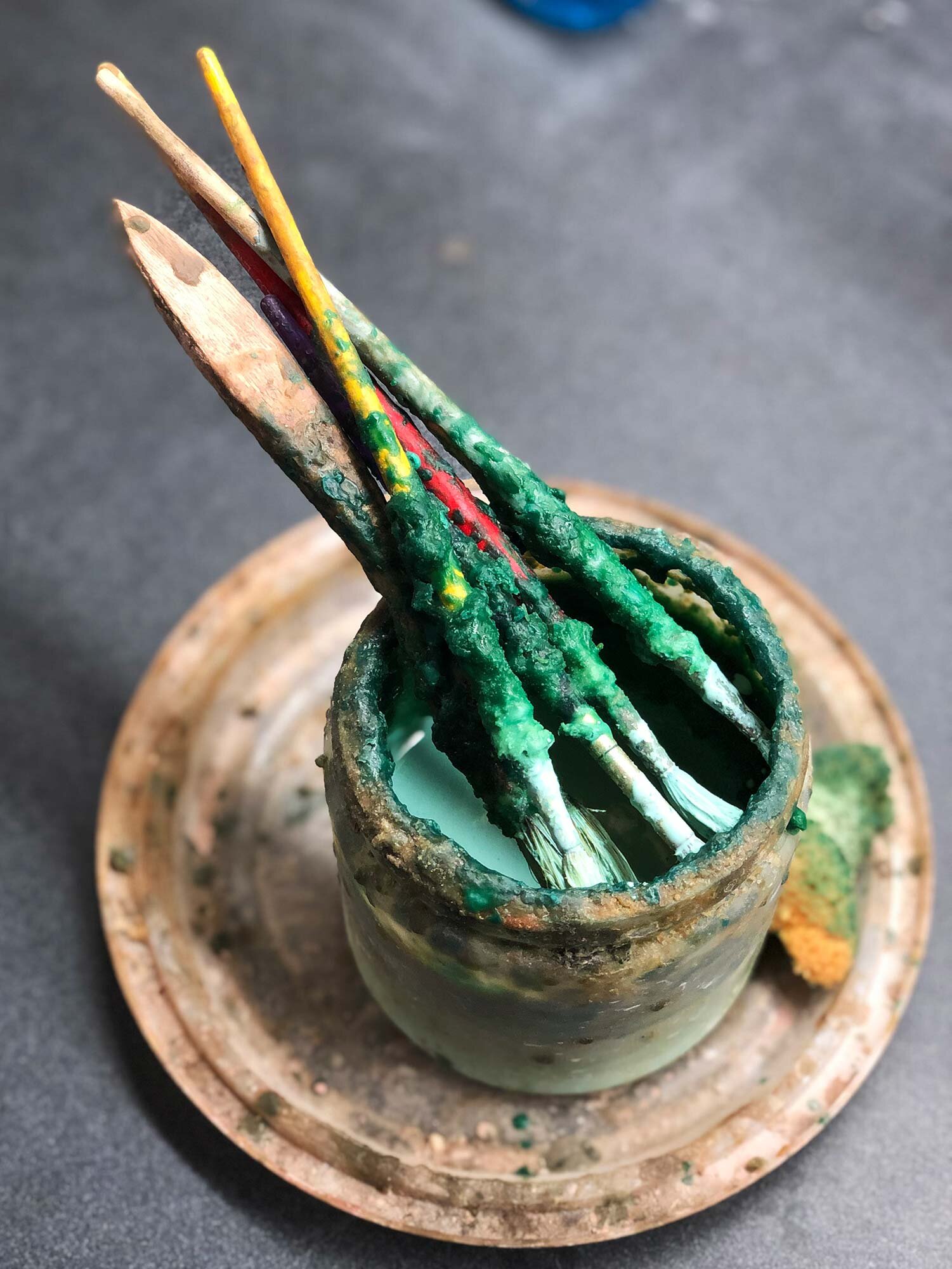
Brushes and jar with built-up wax resist.

Brushes and jar with built-up wax resist.

Here is a picture of a wax jar with dirty brushes. The wax jar is a wide-mouth, recycled underglaze jar. For brushes, try using economical 1/2” chip brushes, and a few smaller brushes.


Step 2

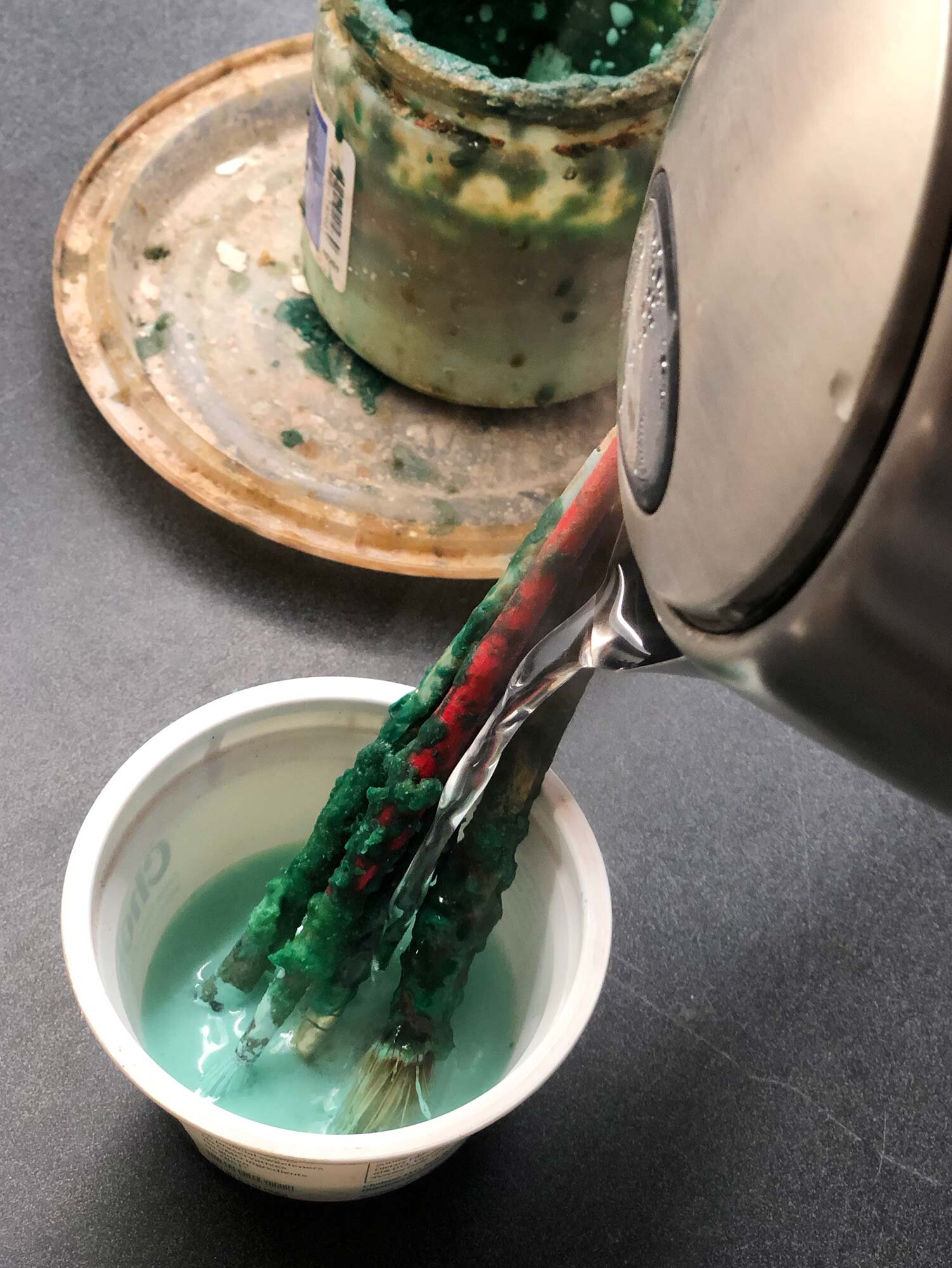
Move brushes to a small container. Pour boiling water over the brushes.

Move brushes to a small container. Pour boiling water over the brushes.

If you have heavy wax build up on your brushes, you may want to cut off and dispose of this build up with a fettling knife.

Then, move brushes to a small container, such as a recycled yogurt cup. Boil water and pour over the brushes. Swirl the brushes in the water and use the brushes to clean the sides of the other brushes.


Step 3

One brush cleaned, four more left.

One brush cleaned, four more left.

Here’s a picture of the cleaning in progress and then the cleaned brushes.

After you’ve cleaned all your brushes, set them aside. The water and cup you’ve used for cleaning can be thrown away. (Don’t pour wax down your drain!) Or, let the water cool, remove and dispose of the cooled wax, and then clean the container. If possible, you could save this one container to reuse over and over as your wax-brush cleaning container.

 
The brushes after cleaning.

The brushes after cleaning.


Step 4

Removing built-up wax resist

Removing built-up wax resist

Next, it’s time to clean the cup. Using a fettling knife, cut off built-up wax from the rim and inside of the cup. If needed, pour out any wax into a reserve container, and use boiling water to clean the entire cup or jar.

Another option, if you have heavy build up, is to switch to a new container. The wide-mouth underglaze jars from Spectrum underglazes are great for a wax container.


Step 5

wax6.jpg

After cleaning the brushes and jar, refill the cup and you’re ready to go. Pictured here are a fresh glaze cup and lid. Depending on how often you clean, you might need a new wax cup about once a year or you could completely clean it and keep it going longer than that.

To conclude: Cleaning wax resist with boiling water is quick, easy, and effective.

Shop AMACO Wax Resist at Blick

Our Favorite Electric Water Kettle

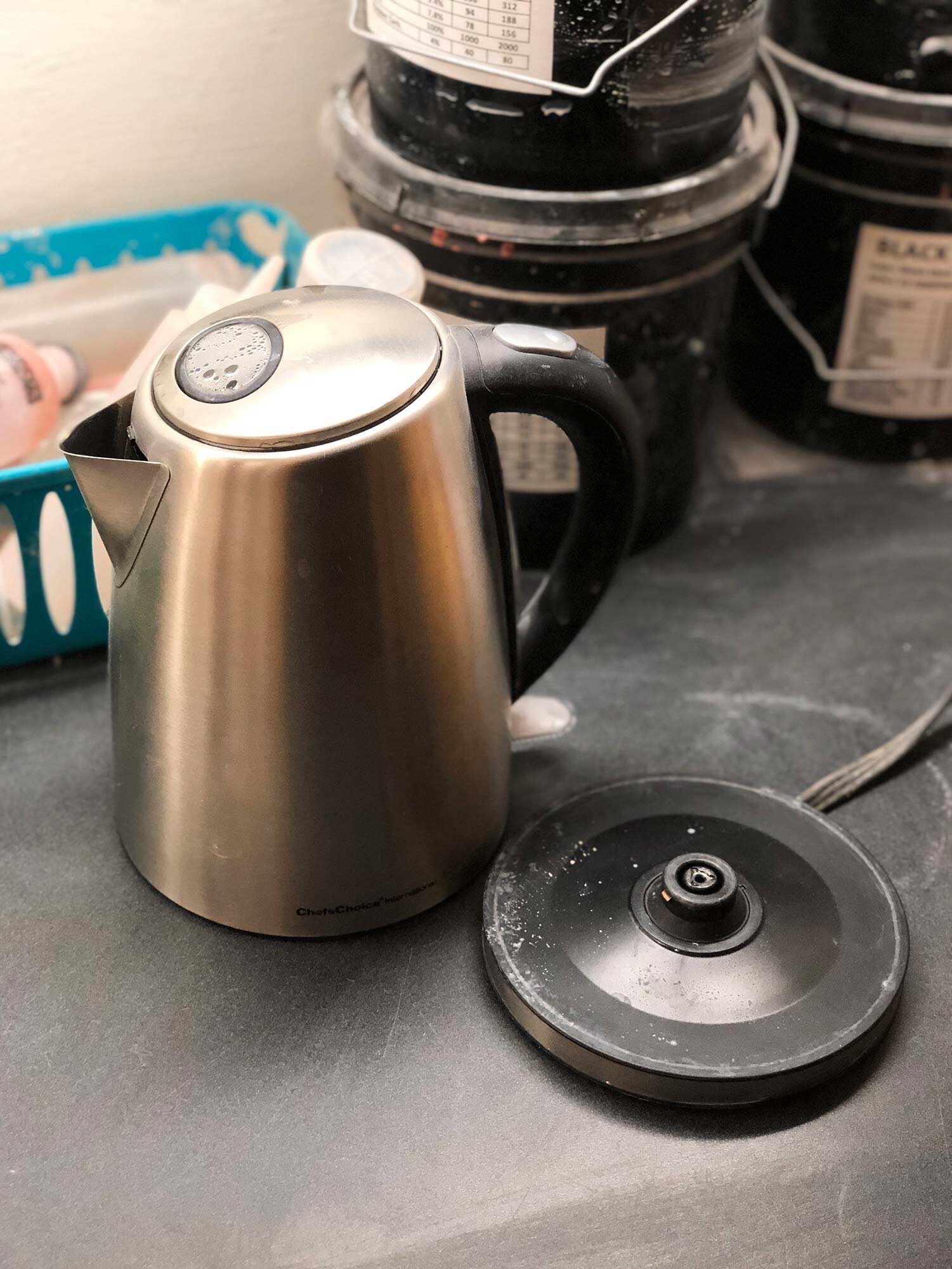
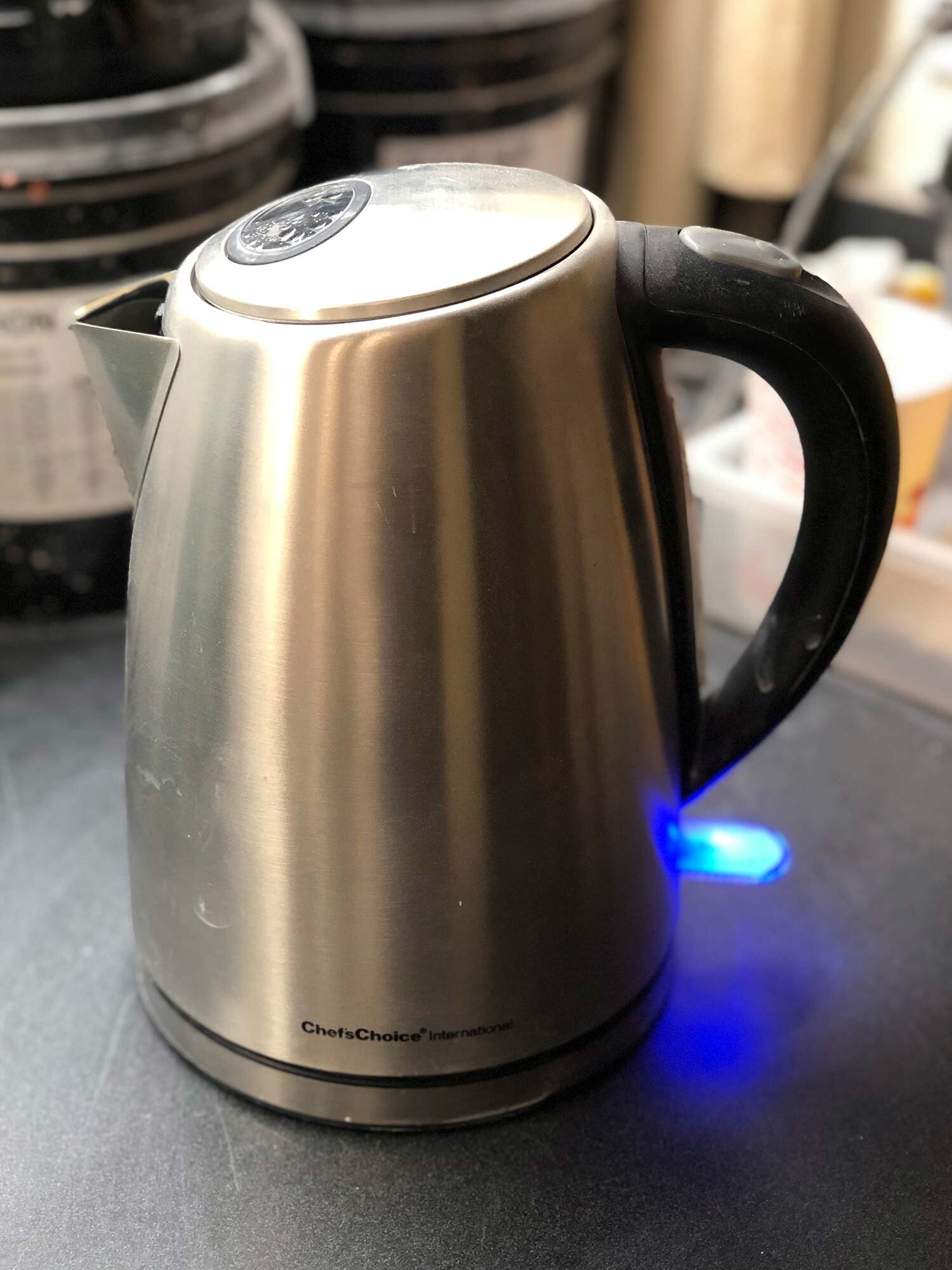
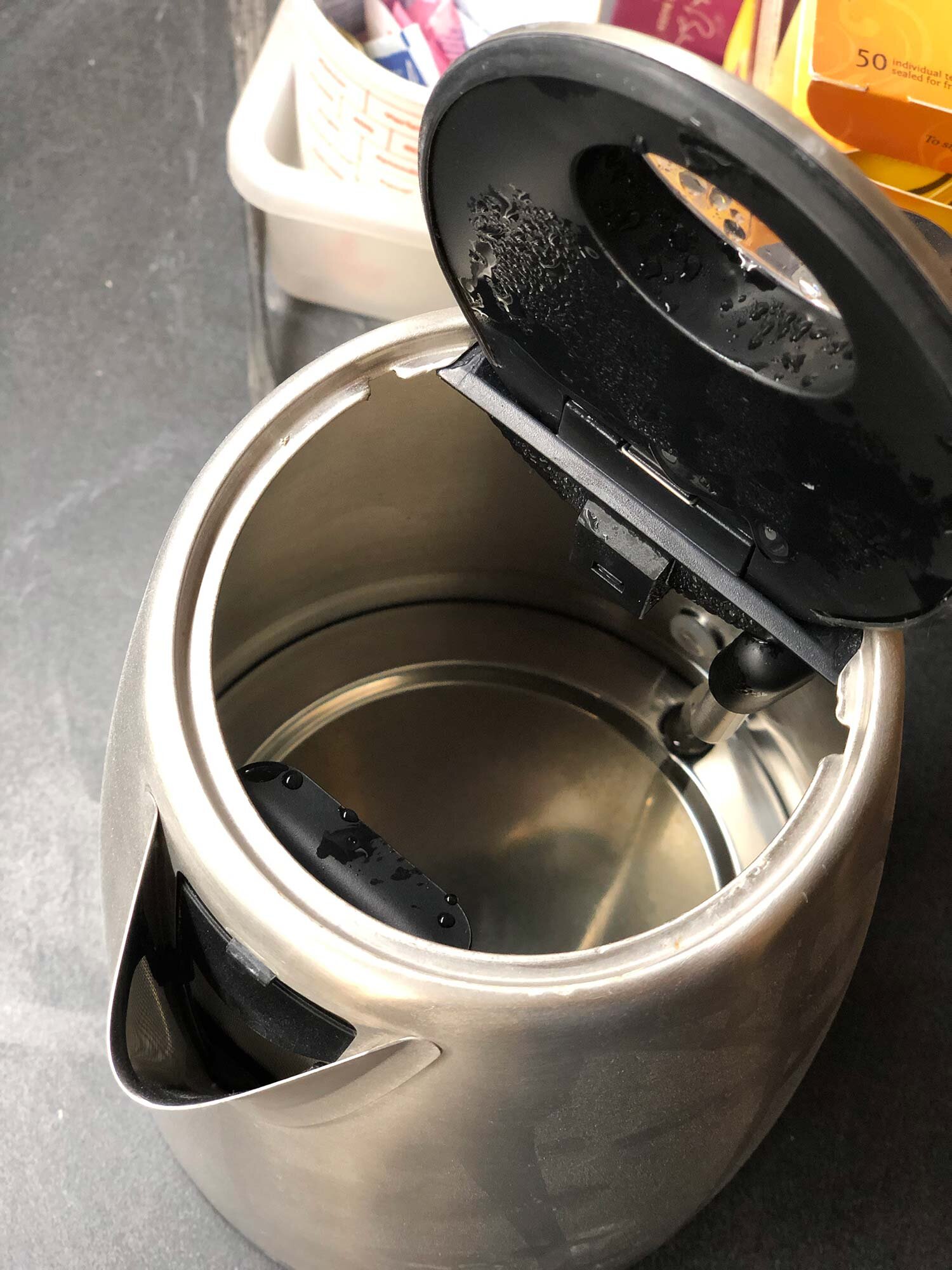
To clean wax resist, you’ll need boiling water and an excellent kettle is the Chef’s Choice Cordless Electric Kettle. This is not a comprehensive review of kettles, but this kettle is great. In community studio I manage, it’s been in heavy use for almost 18 months and has had no problems.

Here’s what I love about it:

  • Sturdy construction and design. Simple on / off switch with light

  • Kettle is cordless

  • Base has storage area for excess cord.

  • Easy to clean

  • Inside is all metal

  • Boils water quickly

This is a great kettle that does exactly what you need it to do. If you don’t have a water kettle in your studio, it’s a simple addition that is great for making tea or instant soups. Adding the option of hot tea can really augment and improve the culture of your studio.


Wrap-Up: Wax Resist Use and Clean Up in a Ceramic Studio
Wax resist is a great tool for a ceramics studio. It takes some clean up, should be used only as needed, and my recommendation is to use a premium wax resist such as the Amaco green wax resist. To apply, try using chip brushes or other simple, cheap brushes.

It’s easiest to clean up with boiling water and this tutorial provides some tips, tricks, and ideas of how to do that.

What do you use wax resist for? Do you have a favorite brand? Please share in the comments.

Shop AMACO Wax Resist at Blick


Make Your Own Metal Pottery Rib

 
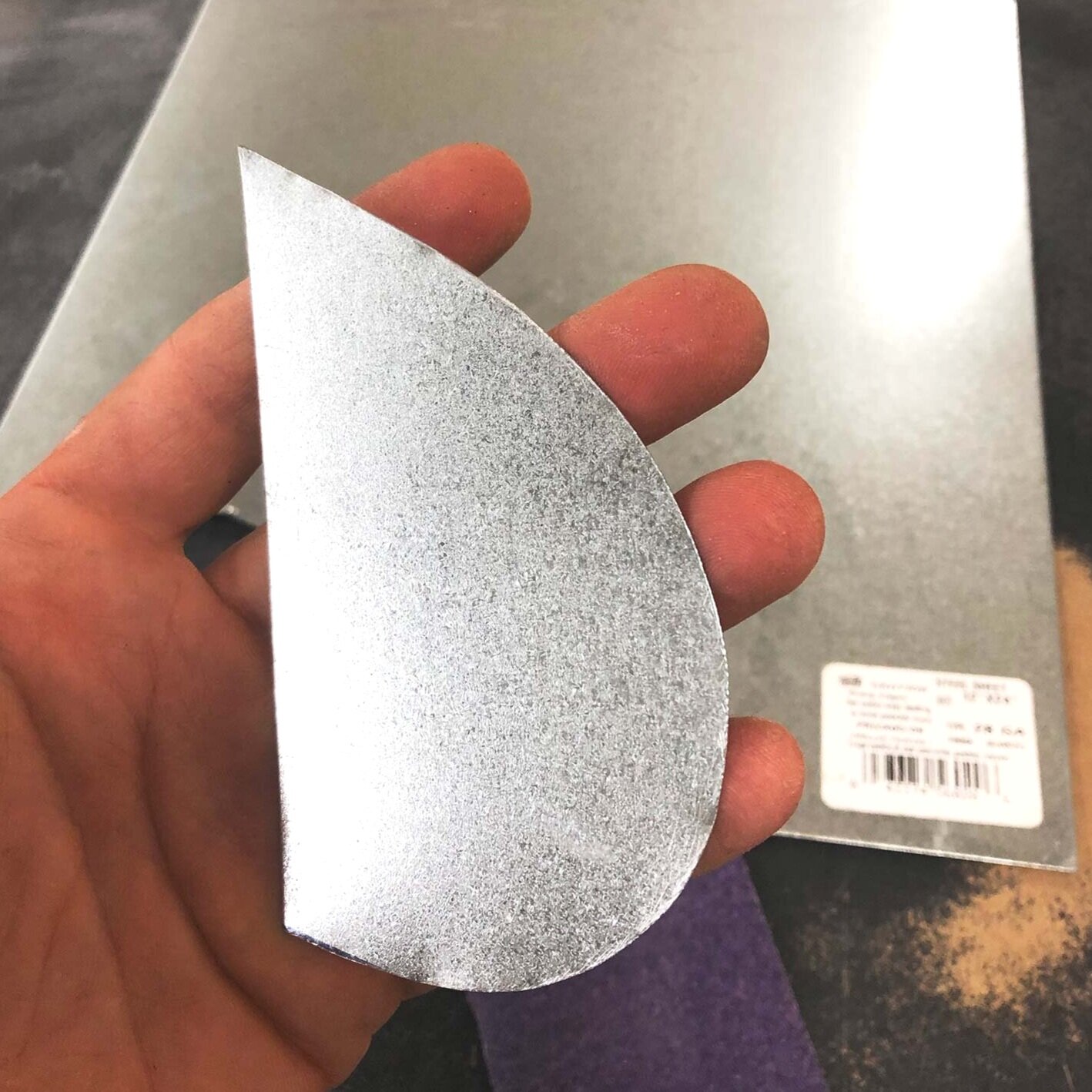
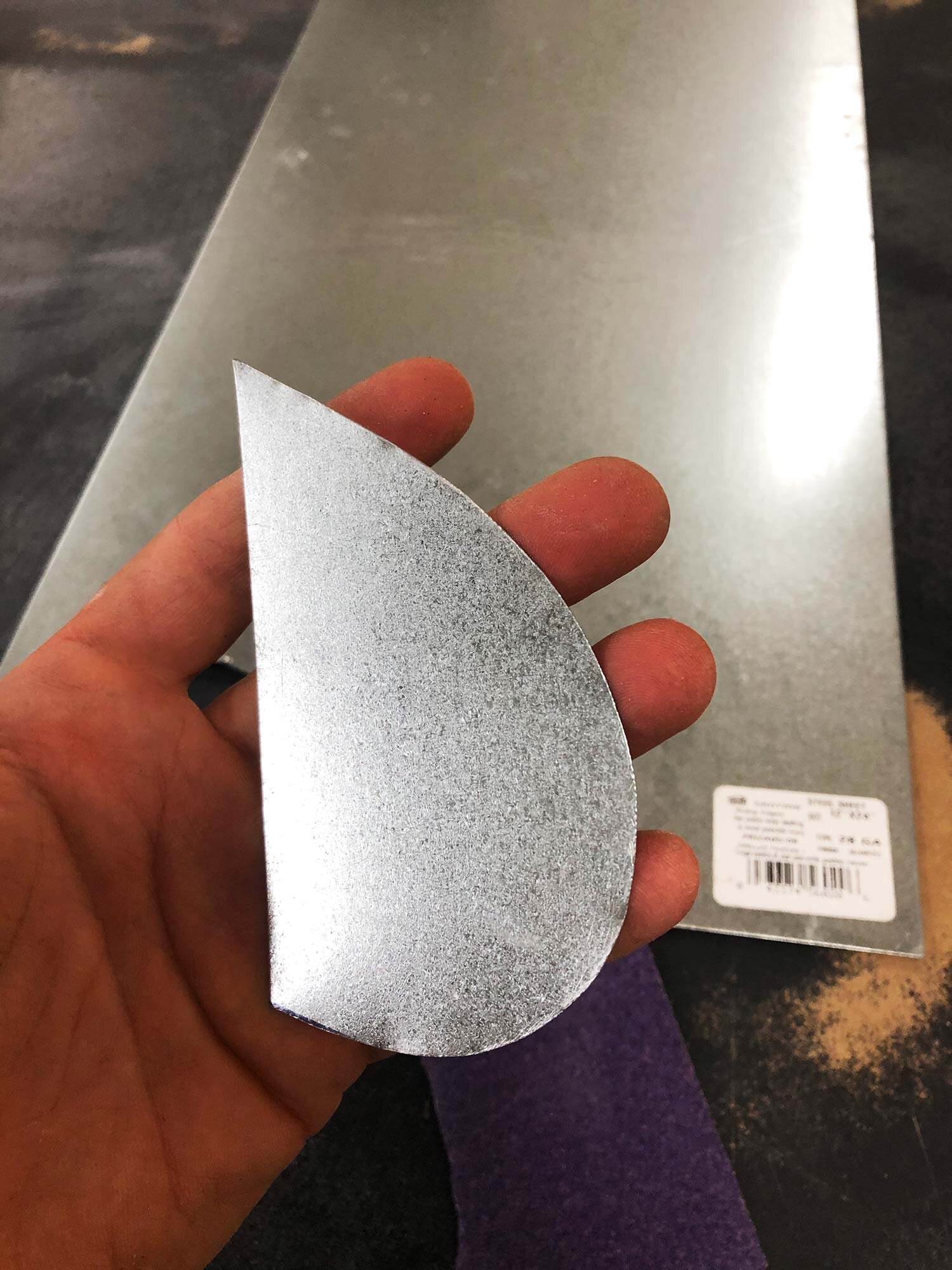
A handmade, metal pottery rib.

A handmade, metal pottery rib.


Making your own tools is a great way to get exactly what you need, and a metal rib is one of the easiest tools to make. For a DIY metal pottery rib of any shape, all you need is a small sheet of metal and wire snips. My favorite shape is the flat-edged teardrop shape with a point pictured above, but you can make any shape.

To make this DIY metal pottery throwing rib, you will need:

  • 24 or 28 gauge galvanized steel sheet. This thickness has the right mix of hardness and flexibility. You can buy galvanized steel at your local hardware store or click here to shop Amazon for an affordable 12” x 12” sheet.

  • Metal Snips, such as aviation snips. (Shop aviation snips at Amazon)

  • Marker, such as a Sharpie

  • Sandpaper. 3M Pro-Grade sandpaper is my favorite (shop at Amazon)

  • Rib template, use an old rib or make a cardstock template

The galvanized steel is flexible but harder, resulting in a more useful rib that that which comes with a basic pottery tool kit. (Check out our review of the best beginner pottery tools here.) The galvanized steel also stays relatively rust free, if you keep your tools clean and dry.

These homemade ribs were introduced to me many years ago when I was first studying pottery. I can’t imagine using any other rib to get just the perfect curve in a bowl and the pointed side is super handy for cleaning up the foot or adding a decorative notch. I also use these tools to remove the slip from the outside of pots, and to shape the inside of a bowl. They also make great ribs for hand building. I occasionally use wood or plastic ribs for throwing, but this metal rib is my go-to pottery workhorse.


Make a Metal Rib: Step by Step

Step 1:

Gather your materials. You’ll need a piece of 24 or 28 gauge galvanized steel, metal snips, a marker, sandpaper and a template. Links to order materials online are above.

metalrib.jpg
metalrib1.jpg

Here’s a close up of the label on the metal sheet. It’s a 1 foot x 2 foot, 28 gauge sheet of galvanized steel.


Step 2:

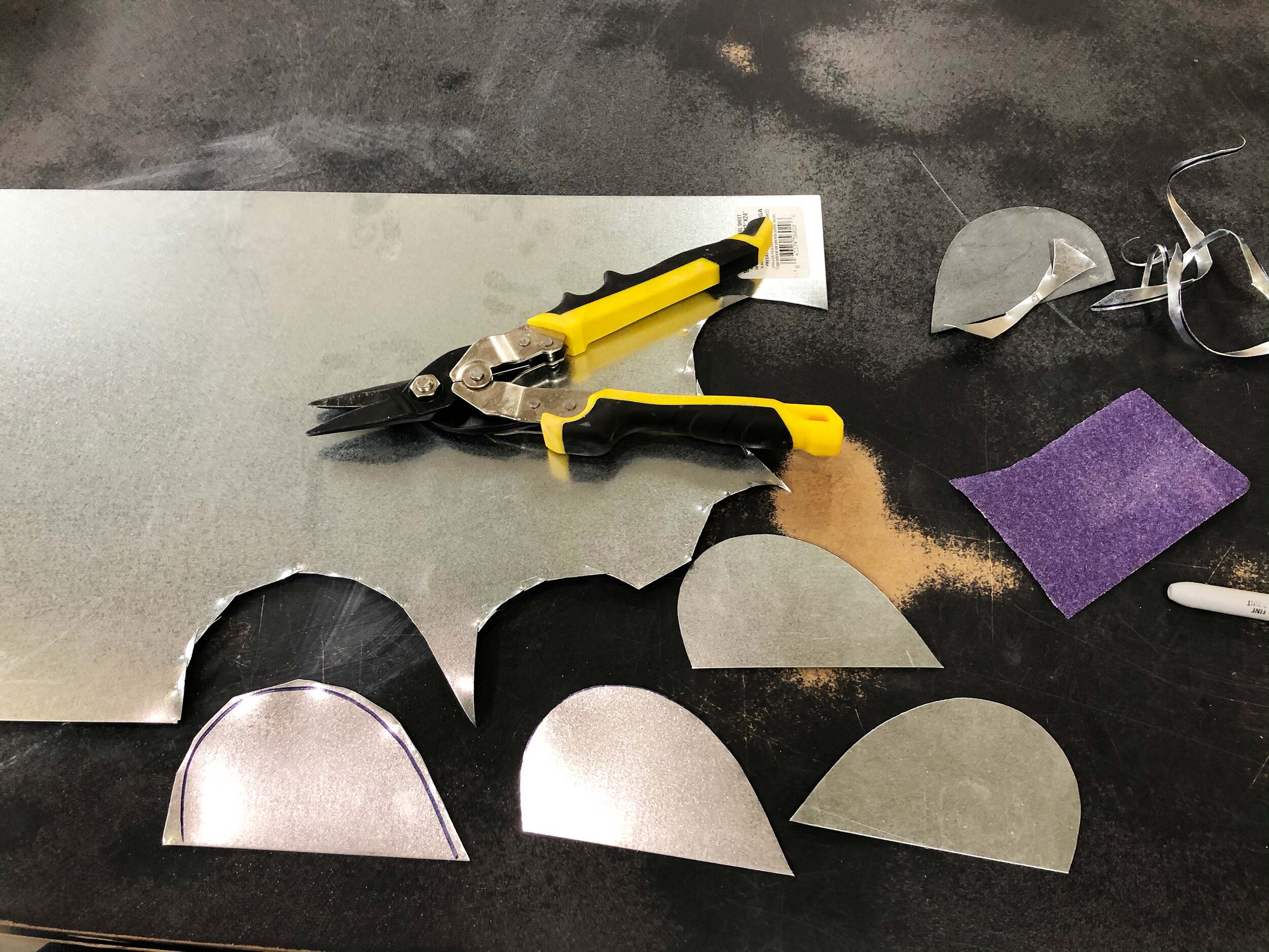
Trace the template outline with your marker.

metalrib2.jpg
 

Step 3:

metalrib4.jpg

Make a rough cut of the rib. It’s easier to make the more exact cuts on a second pass with the snips.


Step 4:

Make a second cut to get the exact shape you want. It’s ok to make multiple cuts if you want to alter the shape.

metalrib3.jpg


Step 5:

Sand any burrs or rough edges.

metalrib5.jpg
 

Step 6:

Congrats! You have a new rib. Time to throw awesome pots.

metalrib6.jpg
 

Step 7:

Make more ribs! Your friends could all use one. Or make a bunch of different shapes. Small ribs, big ribs, whatever you need.

metalrib7.jpg
 
metalrib8.jpg

What’s your favorite rib? Have you ever made your own tools? Leave a comment below.


The Best Tools for Getting Started in a Pottery or Ceramics Studio

There’s a huge variety of tools for working with clay, but you don’t need everything out there, especially if you are just starting out. There are a few basics that will do 95% or more of studio tasks, and these are the same tools that you’ll use over and over again as you continue to work with clay.

In general, it’s best to pay a bit more for quality, well-built tools that will stand the test of time. But lower-cost options can be fine too, especially if you are just trying pottery for the first time or are on a budget.

This post will cover a tool kit, 3 additional tools, one apron, and one tool bin recommended for beginners. Here’s a quick overview of the recommendations:


Table of Contents

  • Basic Pottery Tool Kit

  • Fettling Knives

  • Clay Shredders / Rasps

  • Scoring tools

  • Aprons

  • Tool Boxes and Bags


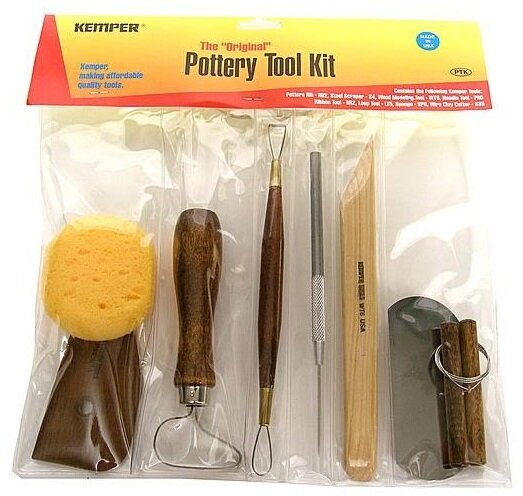
Kemper Pottery Tool Kit

kemper.jpg

The Kemper "Original" 8-piece Pottery Tool Kit includes the most-used tools for wheel throwing and hand building. All these tools are must haves.

The kit includes:

  • Wooden Rib

  • Sponge

  • Loop tool

  • Ribbon tool

  • Needle tool

  • Wooden knife or modeling tool

  • Metal Rib

  • Wire tool

At $15-20, that’s a great deal! This Kemper Original Tool Kit does cost a bit more than other kits, but that’s because it is made out of higher quality wood and metal. That means the loop tools will stay sharper longer, the wooden knife won’t warp, and the wooden rib will hold up for years of use. It’s worth the extra few bucks. Look for the dark brown wood aka hardwood, and you’ll know that you will soon be working with quality Kemper tools.

Shop Kemper Tool Kit at Blick
Shop at Amazon

Budget Tool Kits

If you are just starting out, there are options to get a tool kit for less than $10. The metal uses is thinner and the wood is “soft” on these kits, so it just doesn’t hold up under the wet, heavy use on a pottery wheel. So these tools won’t last as long, but they’ll definitely last long enough to get you started. And then as they wear out, you can replace them with higher quality tools if you want to get serious.

Here’s a few links to generic tool kits and to the Kemper kit, so that you can compare prices.

A final note on these tool kits: Students ask me about sharpening the loop tools. Yes, you can sharpen these tools with a whetstone or bench grinder. But the metal, even on the Kemper kits, is not designed for sharpening over and over. Expect to be able to sharpen a loop tool 2 or maybe 3 times before the metal gets so thin that it’s unusable. At that point, it’s time to buy a new loop tool. A sharp, relatively new loop tool will result in faster and more even trimming.


Fettling Knife

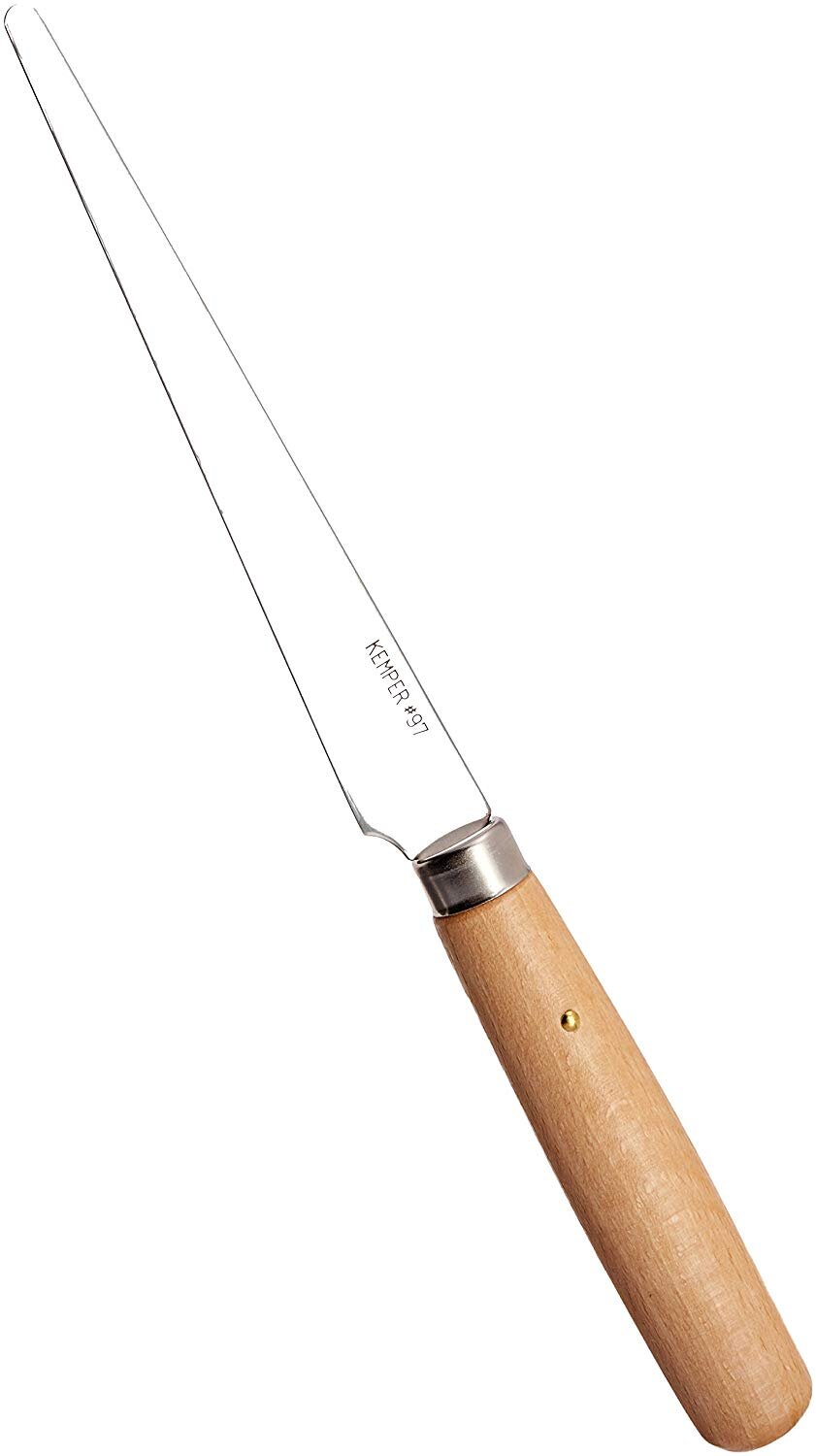
Kemper Fettling Knife

Kemper Fettling Knife

A fettling knife is something I use every day in the studio. It’s a basic steel knife that is not too sharp, but not exactly dull either. The name comes from the word fettle, which means to clean up rough ends of cast metal or clay.

A fettling knife can be used to cut clay evenly and cleanly, and is a superior option to other knives when working with clay. Some people use box knives or X-acto knives, but those dull quickly and are prone to rusting. You might use an old kitchen knife but usually these are either too thick and dull.

Like the tool kit, it pays to get a higher quality knife. The Kemper knives recommended here have better quality steel that isn’t likely to warp or bend under normal use, a better handle, and most importantly, better glue that will keep these two pieces attached. Trust me, I once ordered cheap knives for an academic studio and after a few months half the knives were bent or the blade had fallen out of the handle. They just weren’t worth it.

My favorite fettling option is the Kemper F97 “hard” fettling knife. It has a 4.5” steel blade, a 3.5” handle, and it is a workhorse. The harder steel knife is less likely to bend while cutting, and it makes a great straight edge for smoothing and finishing work.

The Kemper F96 “soft” fettling knife has the same size and shape as the F97, but is more likely to bend under normal use. Sometimes there is a need to bend your blade a bit, such as for a hard to reach area of a sculpture, so this knife can come in handy.

An interesting option is the Xiem Tools Pottery Knife. A bit smaller than a fettling knife, the Xiem knife is 6” long and has the feel of a small kitchen paring knife.

There are cheaper fettling knife options out there with wooden handles, but I can’t recommend a non-Kemper fettling knife. In my experience these knives are made with inferior metal and are prone to falling apart.

Shop Fettling Knives at Blick

Clay Shredder or Rasp

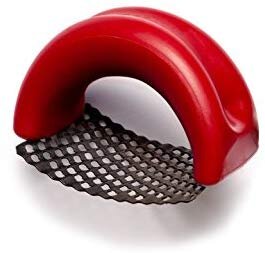
The Mudtools Clay Shredder

The Mudtools Clay Shredder

A clay shredder or rasp is an awesome tool. Once you have one, you’ll find a bunch of uses for it, including trimming, evening out slab work, cleaning up edges, or adding a bevel. I remember one of my early instructor’s calling these tools “the sculptor’s friend.” They work great on pots too.

There are a variety of options, but our favorite is the Mudtools Shredder. It’s got a comfortable, curved handle that doesn’t take up a lot of room in your toolbox, and the shredder blade is easily removed when you need to replace it. It’s also the easiest style of shaver to clean. If it’s easy to clean, you’ll reach for it first.

Shop Mudtools Shredder at Amazon

For a few bucks less, you can get a similar shredder from Creative Hobbies. The only drawback is that it has a larger handle and the blade is a bit enclosed, making it harder to clean. Otherwise, it’s a great option.

Shop Creative Hobbies Shredder at Amazon

If you want to expand beyond the small curved shredder blade, your best bet is the Surform planer from Stanley. They’ve got a small shaver, similar to the Mudtools, two sizes of flat planes, and a round shaver. I’ve used them all, and they are all great. But, you probably don’t need those bigger shavers until you have bigger projects or are working with plaster molds.

Shop Stanley Surform Planer at Amazon

If you do get the Mudtools rasp, or a similar style with the small curved blade, you can get replacement blades such as a 6 pack of replacement curved blades from Stanley. The shredder blade will wear out after use, but it really depends on what type of clay you are using and how clean and relatively rust free you keep your shredder. Just test the blade from time to time and get replacements as needed.

Shop Curved Shredder Replacement Blades at Amazon

Scoring Tool

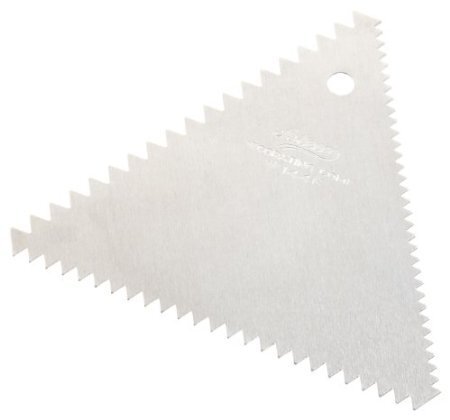
The Ateco Decorating Comb. Good for frosting and ceramics.

The Ateco Decorating Comb. Good for frosting and ceramics.

These tools go by a variety of names including serrated rib or scraper, and scoring tool. If you want to go budget, find an old metal fork and it will do the job in a rough kind of way. But it can be nice to have a dedicated tool for this job and I use the serrated ribs over and over until they are dull, and then I buy a new one.

The best option is the Kemper serrated rib, which is available for about $3 at Dick Blick and other sites. It has a small, compact seration that works great for joining clay with the score and slip method. The curve edges allow you to maneuver the tool any way you want to go, allowing you to quickly and effectively add scoring marks to your projects.

Shop Kemper Serrated Rib at Amazon
Shop Kemper Serrated Rib at Blick

Another great option is the Ateco triangular decorating comb. It has bigger grooves, which can be great for adding design texture, or scoring the back of tiles.

Shop Ateco Decorating Comb at Amazon


A final option is the Xiem retractable scoring tool. It’s super compact, has an innovative design, but it’s not my favorite. The Xiem tool is a bit more work to get open and started. I always reach for the serrated rib first, and so that’s what I’d recommend for beginners too.

Shop Xiem Scoring Tool at Amazon

Apron

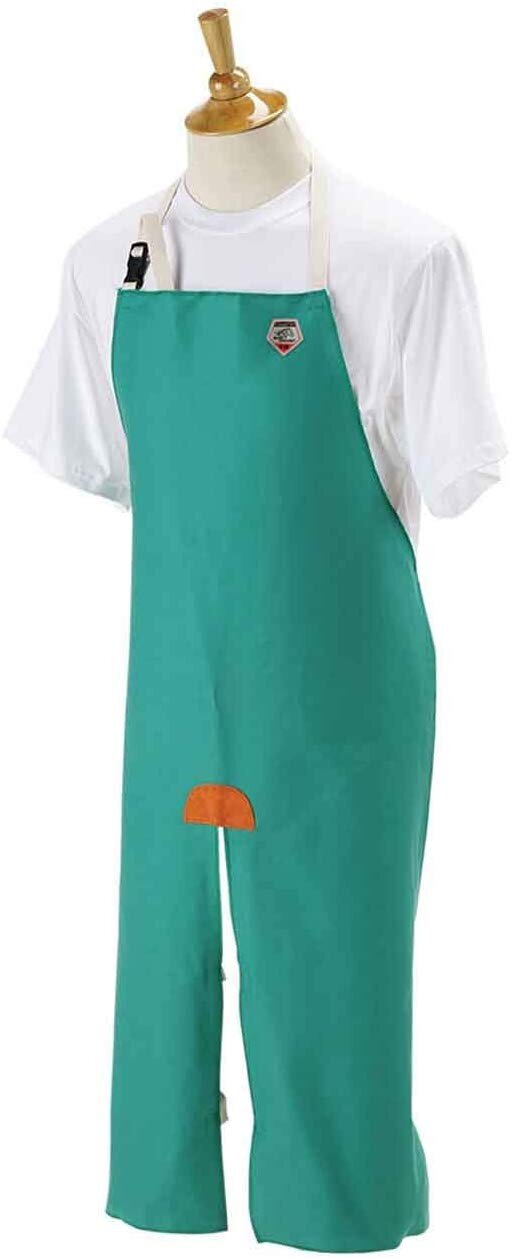
Split-leg cotton apron from Black Stallion

Split-leg cotton apron from Black Stallion

To stay clean in the studio, you can cover up with an extra-large t-shirt or an old button down, but an apron is usually the easiest and most functional option. For functionality at an affordable price, you can’t beat this cotton split-leg green apron by Black Stallion.

Although intended for welding, this split-leg apron is also very functional for wheel throwing. The main advantage is it has an adjustable clip buckle at the neck, and two buckles behind each leg. The split leg has a reinforced joint, but it doesn’t have the doubled-up fabric often found in pottery aprons.

This apron is available in three lengths: 36 inches, 42 inches, and 49 inches. The 36 or 42 will suit most people (A standard kitchen apron is often 30 to 33 inches long.

Shop Split-Leg Apron at Amazon
Cross-back barber style apron from Under NY Sky

Cross-back barber style apron from Under NY Sky

Another interesting apron option that is great for handbuilding is the Nylon Cross-Back Barber Apron from Under NY Sky. It costs a bit more but won’t break the bank and it’s got a great look with lots of function. The nylon is appealing for ease of clean up, and it’s also got a clip at the neck and a short split leg. The apron is available in four colors. It’s not as long as a pottery apron, but if you just need coverage on your torso, it’s great.

For more, visit our full review of pottery and ceramic aprons.

Shop Cross-Back Barber Apron at Amazon

Tool Box

artbinsmall.jpg

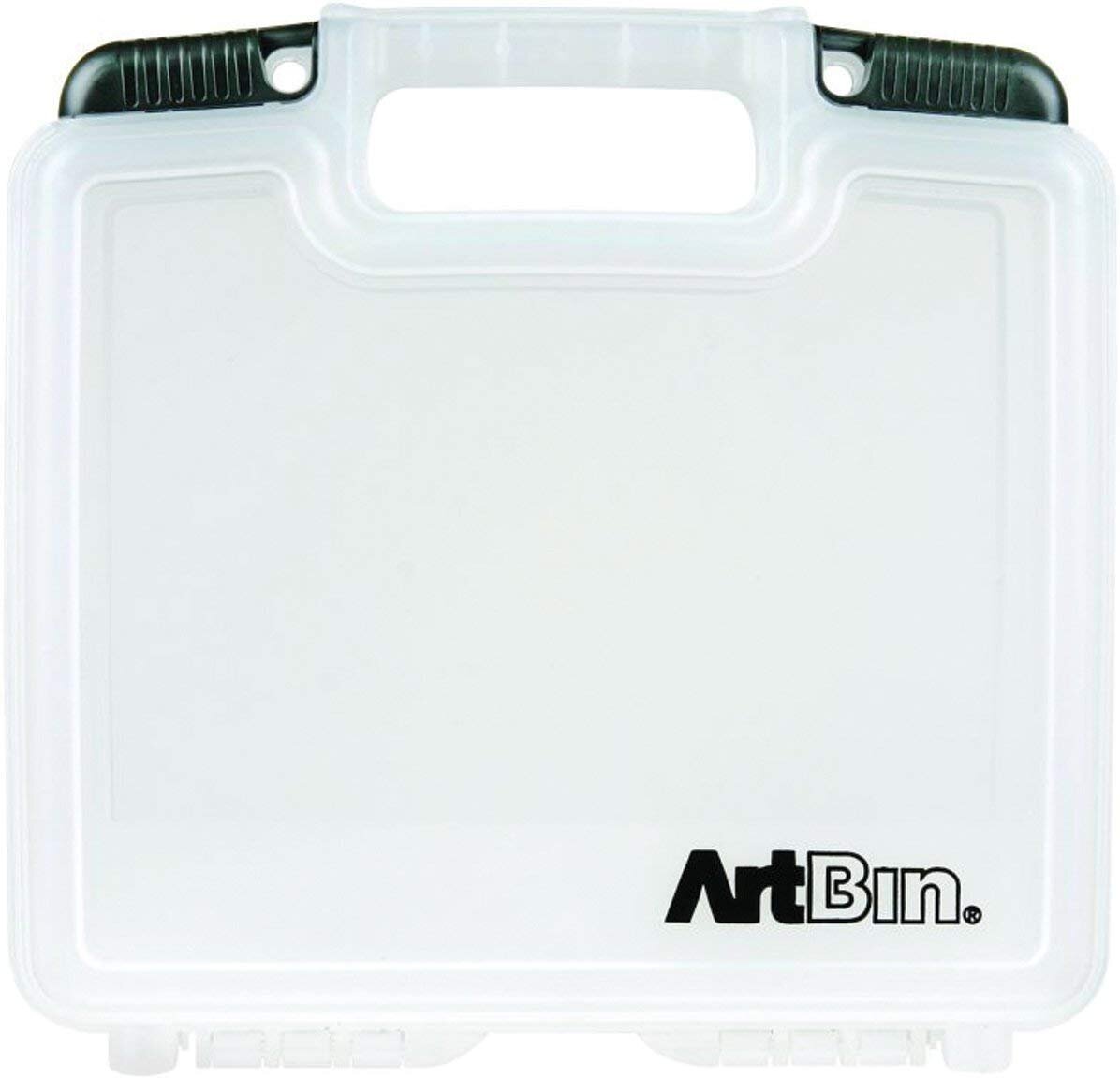
Once you have a variety of tools, a box or bin will help keep things organized. A large yogurt container or small bag with air and drainage holes can work, but my favorite option is a 10.5” Translucent Art Bin.

This bin is big enough to hold a basic kit of tools, but not so big that it’s hard to store. When closed it can be stored horizontally or vertically and if it gets dirty, the whole thing can be cleaned and rinsed. There’s also a variety of sizes, so you can pick the one that works best for you. If you’d like, you can also easily drill holes in this plastic for a bit of air circulation if you have to put your tools away wet.

Shop 10.5" ArtBin at Amazon
Shop 10.5” ArtBin at Blick


If you prefer an upright canvas tote option, the JJring Nylon Artist Tote bag is a great option that comes in 4 different colors. For $14, it’s got a lot of features including 16 external pockets for small tools and a larger inner chamber. Or if you want a neutral / natural fabric color option, go with the Harbor Freight Canvas Riggers bag.

Whichever box or bag option you decide on, keep in mind that open storage will allow your tools to dry and stay rust free.

Shop Nylon Artist Tote at Amazon
Shop Canvas Riggers Bag at Amazon

What tools are your absolute essentials in the studio? Let us know in the comments.


Spectrum Underglaze Cone 6 Test Tiles

Spectrum underglazes are dependable, have great colors, and are economical. I use a few of the Spectrum 500 series, along with a mixture of AMACO Velvet Underglazes, AMACO LUG underglazes. Spectrum has a few colors, such as orange and bright green, that have hues I can’t find in other lines. And they are often waaay cheaper than other underglazes.

Spectrum 500 series underglazes can be color-mixed with other underglazes or slips like paint, and can be applied with a variety of tools including brushes, spray guns, sponges, or really any way you can think to get them to stick. They are also perfect for scraffito, stenciling, marbling, and other decorative techniques.

Spectrum underglazes are available in a variety of sizes, including 2oz, 4oz, and 16oz pints. Expect to pay anywhere from $15 to $20 for a 16oz pint of underglaze, making these some of the most affordable underglazes on the market. The best place to find Spectrum Underglazes are with speciality ceramic suppliers, such as The Ceramic Shop in Philadelphia.


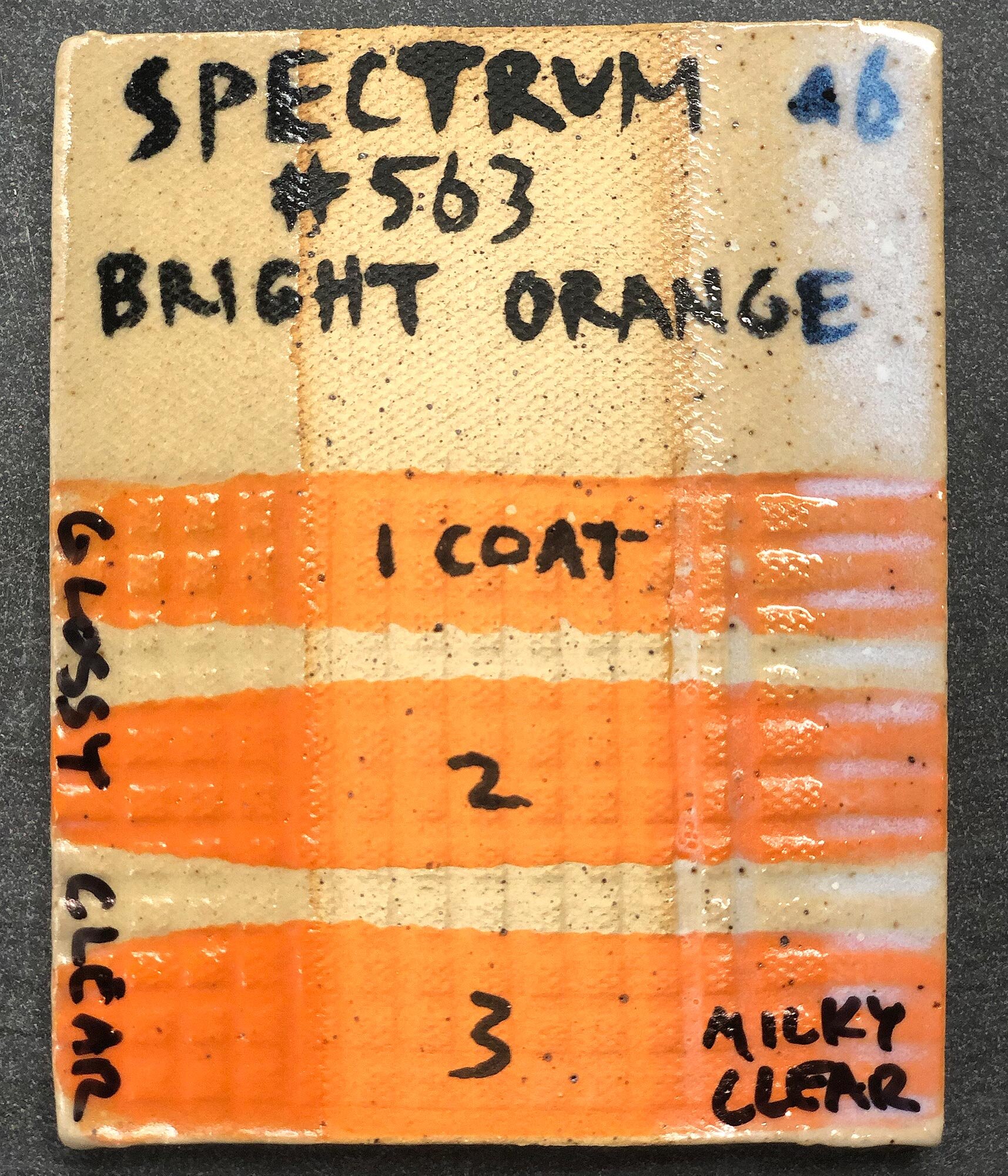
Spectrum 500 series underglazes are designed for cone 05 to cone 6. For best results, test in your kiln first. The following images of Spectrum Underglazes test tiles were fired at Cone 6 in oxidation on a speckled clay body, to illustrate what these colors look like underneath the Glossy Clear and Milky Clear cone 6 mid-range glaze recipes. But they will also work underneath a commercial clear glaze. Try them at high fire too, most colors will stay true. For more information about Spectrum Underglaze, please visit the manufacturer’s site.


Shop Underglazes at Blick

Spectrum 500 Series Underglaze Cone 6 Test Tiles

All images show 1, 2, or 3 coats of underglaze painted on a speckled stoneware fired to cone 6 in oxidation. The left side of the tile shows Cone 6 Glossy Clear glaze on top, the middle section is unglazed, and the right side is the underglaze underneath Cone 6 Milky Clear glaze. As commercial underglazes are quite expensive, I like to pair them with economical clear glazes that are mixed from scratch.

Spectrum 513 Mahogany Brown painted in 1, 2, and 3 coats on speckled stoneware and fired to cone 6 in oxidation.

Spectrum 513 Mahogany Brown painted in 1, 2, and 3 coats on speckled stoneware and fired to cone 6 in oxidation.

 
Spectrum 563 Bright Orange painted in 1, 2, and 3 coats on speckled stoneware and fired to cone 6 in oxidation.

Spectrum 563 Bright Orange painted in 1, 2, and 3 coats on speckled stoneware and fired to cone 6 in oxidation.


Spectrum 564 Bright Green painted in 1, 2, and 3 coats on speckled stoneware and fired to cone 6 in oxidation.

Spectrum 564 Bright Green painted in 1, 2, and 3 coats on speckled stoneware and fired to cone 6 in oxidation.

 
Spectrum 567 Fire Engine Red painted in 1, 2, and 3 coats on speckled stoneware and fired to cone 6 in oxidation.

Spectrum 567 Fire Engine Red painted in 1, 2, and 3 coats on speckled stoneware and fired to cone 6 in oxidation.

 
Shop Underglazes at Blick

About Underglazes

Underglazes are the best way to apply saturated, bright colors to your ceramics. Not quite a slip and not quite a glaze, underglazes contain metallic oxides or mason stains to achieve the desired color, and manufacturers generally mix underglazes with some sort of gum material that helps with brushability and getting the material to stick. That versatility allows them to be painted on leather hard greenware, bisqueware, and they will even stick on top of glaze for a refire.

Do you have a favorite underglaze? Let us know in the comments.


AMACO LUG Underglazes Cone 6 Test Tiles

The Liquid Underglaze (LUG) line from AMACO is an economical, quality option for ceramic underglazes. They can be easily color-mixed like paint with other underglazes or slips, and can be applied with a variety of tools including brushes, spray guns, sponges, or really any way you can think to get them to stick. They are also perfect for scraffito, stenciling, marbling, and other decorative techniques.

LUG underglazes are available in a variety of sizes, including 2oz jars, 16oz pints, and some colors come in gallon jugs. Expect to pay anywhere from $20 to $30 for a 16oz pint of underglaze. Yes, they can be a bit expensive but if anything, they are a bit cheaper than many similar colors in the AMACO Velvet Underglaze line. If you are unsure where to start, a great way to sample colors can be to buy a few 2 oz jars and test them out.

LUG underglazes are designed for cone 06-04 low fire underneath a low fire clear glaze, but most colors stay true at mid-range (cone 5-6) and high fire (cone 8-11). For best results, test in your kiln first. Below, I’ve posted images of LUG Underglazes fired at Cone 6 in oxidation on a speckled clay body, to illustrate what these colors look like underneath our favorite Glossy Clear and Milky Clear cone 6 mid-range glaze recipes. But they will also work great underneath a commercial clear glaze. Try them at high fire too, most colors will stay true.


To make a complete palette of colors, I use a mixture of AMACO Velvet Underglazes and Spectrum 500 series underglazes along with LUG underglazes. The LUG underglazes I’ve tested all stay true to color at cone 6, although some do begin to melt into satin or shiny glazes on their own. For more information about LUG Underglaze, check out AMACO’s site.

Shop LUG Underglazes at Blick

AMACO LUG Underglaze Cone 6 Test Tiles

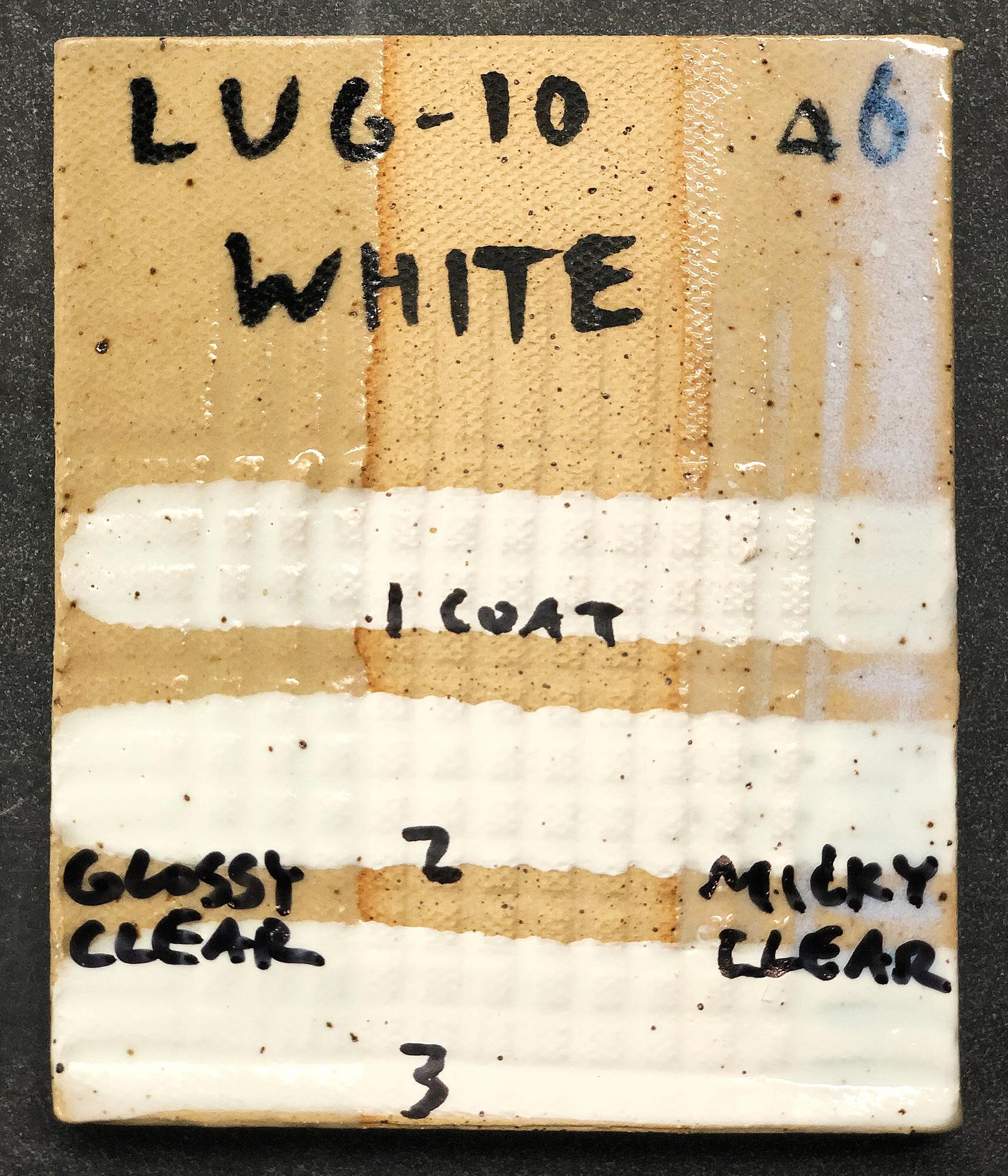
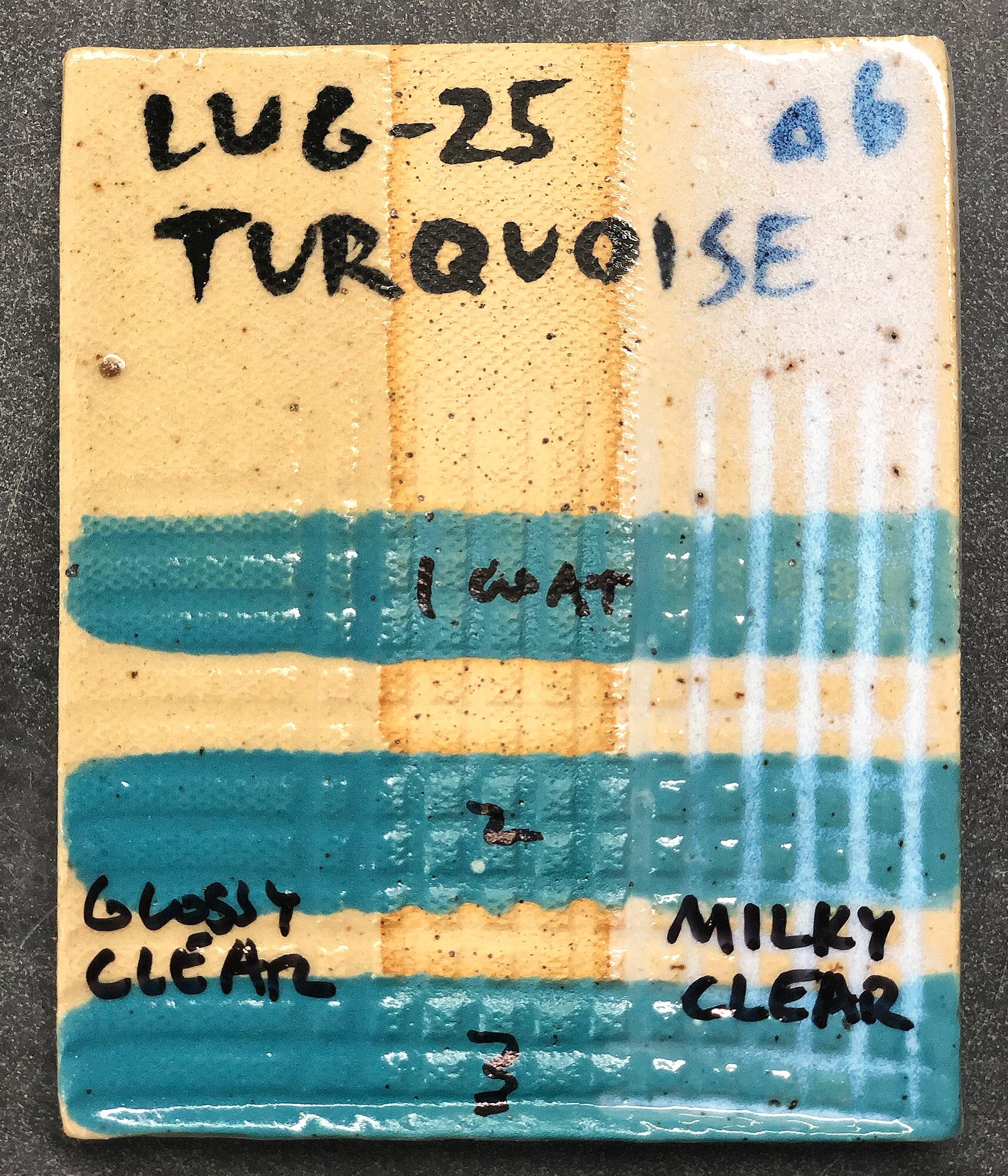
All images show 1, 2, and 3 coats of underglaze painted on a speckled stoneware fired to cone 6 in oxidation. The left side of the tile shows Cone 6 Glossy Clear glaze on top, the middle section is unglazed, and the right side is Cone 6 Milky Clear glaze. As commercial underglazes are quite expensive, I like to pair them with economical clear glazes that are mixed from scratch.

AMACO LUG-1 Black Underglaze painted in 1, 2, and 3 coats on speckled stoneware fired at cone 6 in oxidation.This is a very dark black that is similar to the AMACO Velvet Underglaze black.

AMACO LUG-1 Black Underglaze painted in 1, 2, and 3 coats on speckled stoneware fired at cone 6 in oxidation.

This is a very dark black that is similar to the AMACO Velvet Underglaze black.

Shop LUG-1 Black at Blick
 
 
AMACO LUG-10 White Underglaze painted in 1, 2, and 3 coats on speckled stoneware fired at Cone 6 in oxidation.This is a bright white. To my eye, it is very similar to the Velvet Underglaze white.

AMACO LUG-10 White Underglaze painted in 1, 2, and 3 coats on speckled stoneware fired at Cone 6 in oxidation.

This is a bright white. To my eye, it is very similar to the Velvet Underglaze white.

Shop LUG-10 White at Blick
 
 
AMACO LUG-15 Warm Gray Underglaze painted in 1, 2, and 3 coats on speckled stoneware fired at cone 6 in oxidation.A kitten-gray option for underglaze.

AMACO LUG-15 Warm Gray Underglaze painted in 1, 2, and 3 coats on speckled stoneware fired at cone 6 in oxidation.

A kitten-gray option for underglaze.

Shop LUG-15 Warm Gray at Blick
 
 
AMACO LUG-22 Dark Blue Underglaze painted in 1, 2 and 3 coats on speckled stoneware fired to cone 6 in oxidation. At mid-range or higher, this underglaze will turn satin / glossy as shown in the middle unglazed section.This is a deep, saturated blue…

AMACO LUG-22 Dark Blue Underglaze painted in 1, 2 and 3 coats on speckled stoneware fired to cone 6 in oxidation. At mid-range or higher, this underglaze will turn satin / glossy as shown in the middle unglazed section.

This is a deep, saturated blue/almost black that can turn a deep ultramarine under certain clear glazes.

Shop LUG-22 Dark Blue at Blick
 
 
AMACO LUG-25 Turquoise Underglaze painted in 1, 2, and 3 coats on speckled stoneware fired at cone 6 in oxidation.This is a great option for a solid, opaque turquoise underglaze.

AMACO LUG-25 Turquoise Underglaze painted in 1, 2, and 3 coats on speckled stoneware fired at cone 6 in oxidation.

This is a great option for a solid, opaque turquoise underglaze.


Shop LUG-25 Turquoise at Blick
AMACO LUG-31 Mahogany Brown painted in 1, 2, and 3 coats on speckled stoneware fired to cone 6 in oxidation.This is a rich, chocolate brown underglaze.

AMACO LUG-31 Mahogany Brown painted in 1, 2, and 3 coats on speckled stoneware fired to cone 6 in oxidation.

This is a rich, chocolate brown underglaze.

Shop LUG-31 Mahogany Brown at Blick
 
 
AMACO LUG-43 Dark Green Underglaze painted in 1, 2, and 3 coats on speckled stoneware fired to cone 6 in oxidation.LUG-43 is an opaque forest green that is similar to a chrome oxide green.

AMACO LUG-43 Dark Green Underglaze painted in 1, 2, and 3 coats on speckled stoneware fired to cone 6 in oxidation.

LUG-43 is an opaque forest green that is similar to a chrome oxide green.

Shop LUG-43 Dark Green at Blick
 
 
AMACO LUG-50 Pink Underglaze painted in 1, 2, and 3 coats on speckled stoneware fired to cone 6 in oxidation.This is the best pink underglaze that I have found. It is bright, opaque, and birthday-cake pink.

AMACO LUG-50 Pink Underglaze painted in 1, 2, and 3 coats on speckled stoneware fired to cone 6 in oxidation.

This is the best pink underglaze that I have found. It is bright, opaque, and birthday-cake pink.

Shop LUG-50 Pink at Blick
 
 
AMACO LUG-61 Bright Yellow Underglaze painted in 1, 2, and 3 coats on speckled stoneware fired to cone 6 in oxidation.This is one of the brightest, most intense yellow underglazes on the market. And for some reason, the LUG Bright Yellow is much mor…

AMACO LUG-61 Bright Yellow Underglaze painted in 1, 2, and 3 coats on speckled stoneware fired to cone 6 in oxidation.

This is one of the brightest, most intense yellow underglazes on the market. And for some reason, the LUG Bright Yellow is much more economical than the similar yellows in the Velvet Underglaze line.

Shop LUG-61 Bright Yellow at Blick


About Underglazes

Underglazes are the best way to get saturated, bright colors on your ceramics. Whether it is detailed, layered paintings or covering larger areas, underglazes are great for beginners, students, and experienced professionals. Not quite a slip and not quite a glaze, manufacturers generally mix underglazes with some sort of gum material that helps with brushability and getting the material to stick. That versatility allows them to be painted on leather hard greenware, bisqueware, and they will even stick on top of glaze for a refire.

Do you have a favorite underglaze? Let us know in the comments.

Shop Underglazes at Blick


AMACO Velvet Underglaze Cone 6 Test Tiles

Velvet Underglazes from AMACO are some of the best, most reliable, and popular commercial underglazes available. They have saturated, bright colors that stay true to color and they can be mixed with other underglazes like paint. They can be applied with a variety of tools including brushes, spray guns, sponges, or really any way you can think to get them to stick. They are also perfect for scraffito, stenciling, marbling, and other decorative techniques.

To get a complete palette of colors, I use a mixture of AMACO Velvet Underglazes, AMACO LUG underglazes, and Spectrum 500 series underglazes. This post will cover Velvet Underglazes and includes Cone 6 test tile images below.

Velvet underglazes are available in a variety of sizes, including 2oz, 16oz, and some colors come in gallon jugs. Expect to pay anywhere from $22 to $45 for a 16oz pint of underglaze. Yes, they can be a bit expensive but there is simply nothing comparable out there. If you are unsure where to start, a great way to sample colors can be to buy a class pack of 2oz jars.


Velvet underglazes are designed for cone 04 low fire underneath a low fire clear glaze, but most colors stay true at mid-range and high fire. For best results, test in your kiln first. The following images of Velvet Underglazes were fired at Cone 6 on a speckled clay body, to illustrate what these colors look like underneath Glossy Clear and Milky Clear cone 6 mid-range glaze recipes. But they will also work great underneath a commercial clear glaze.

As I make more test tiles of different underglazes, this post will be updated. For more information about Velvet Underglaze, check out AMACO’s site.

Shop Velvet Underglaze at Blick

AMACO Velvet Underglaze Cone 6 Test Tiles

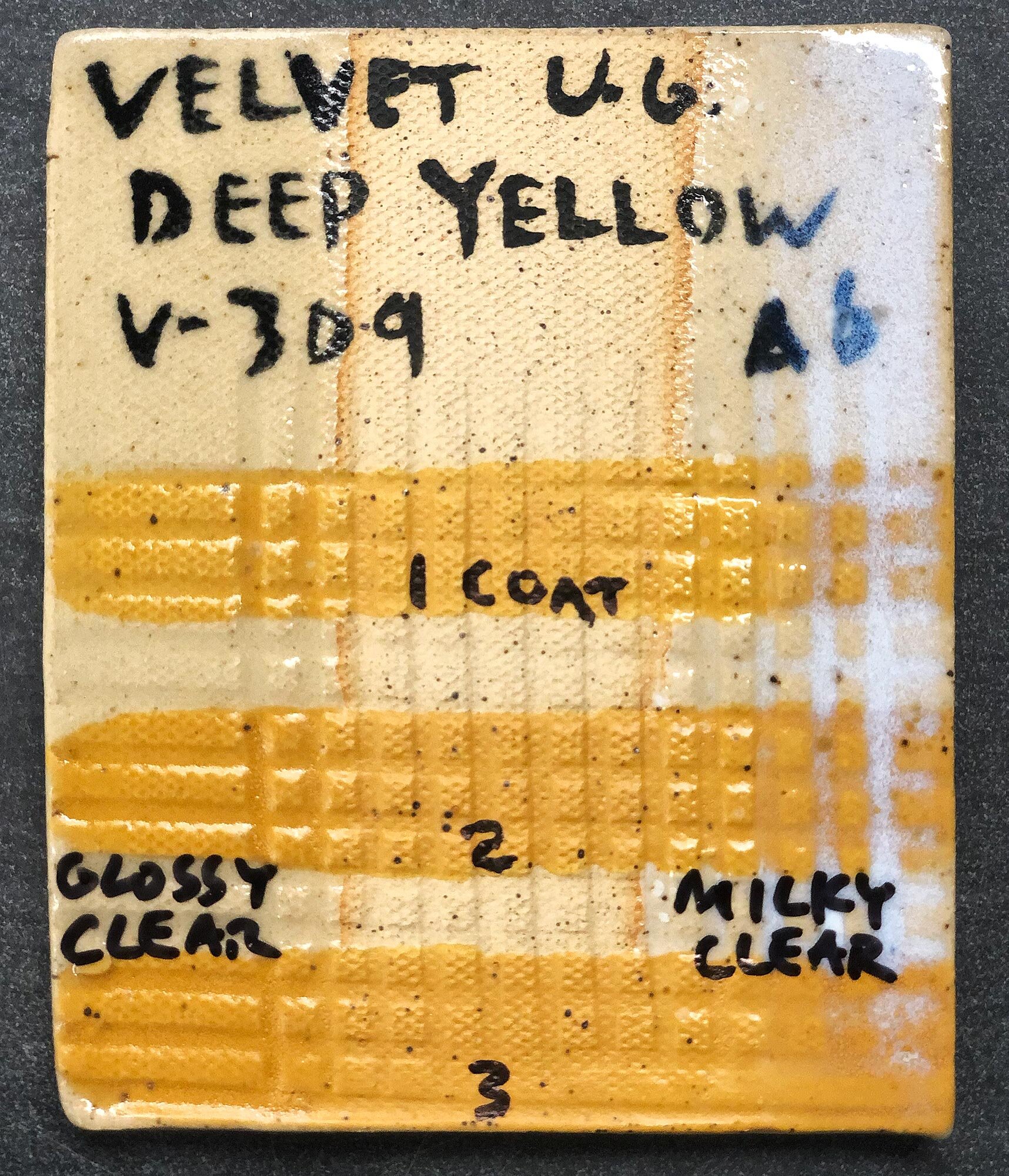
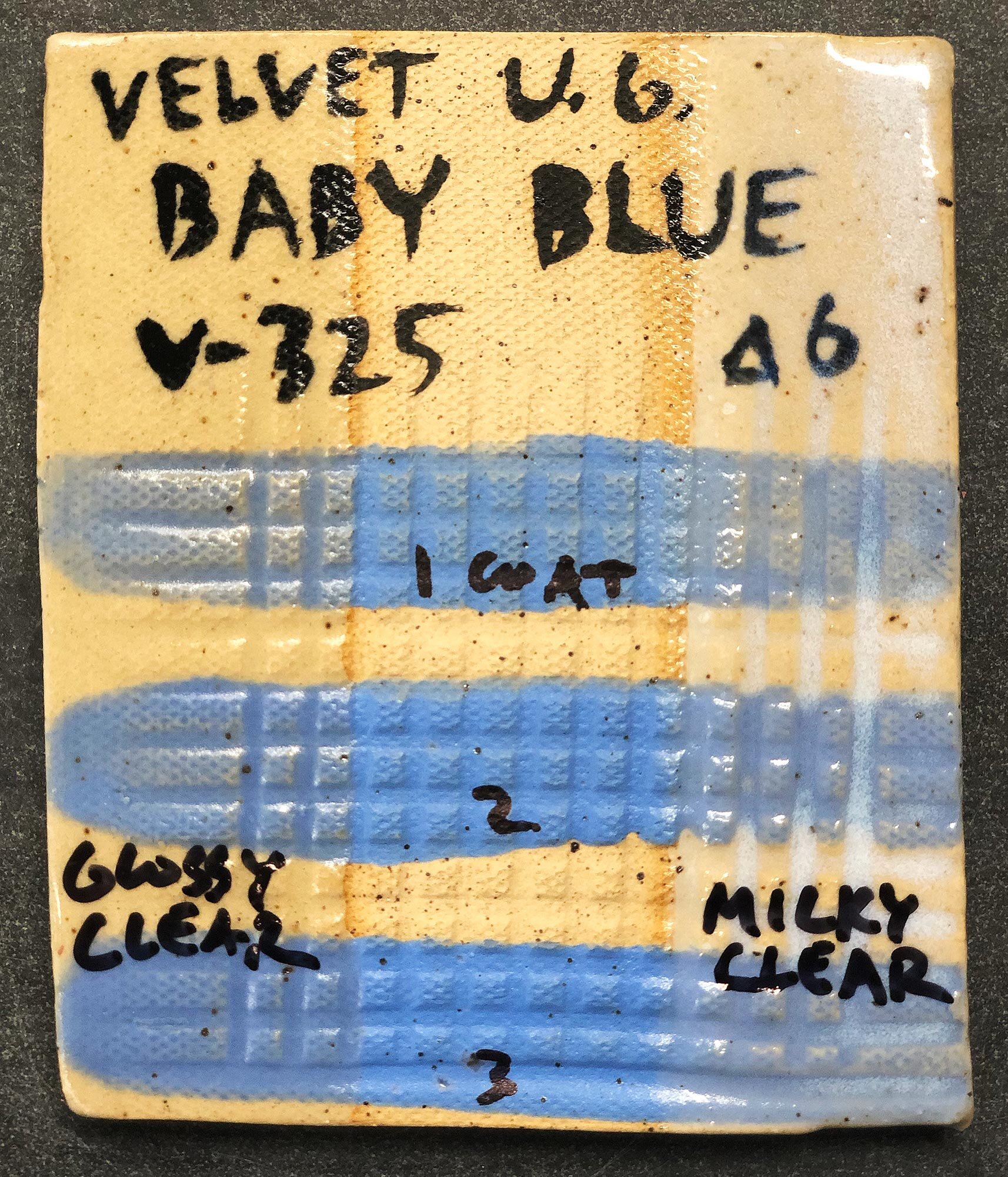
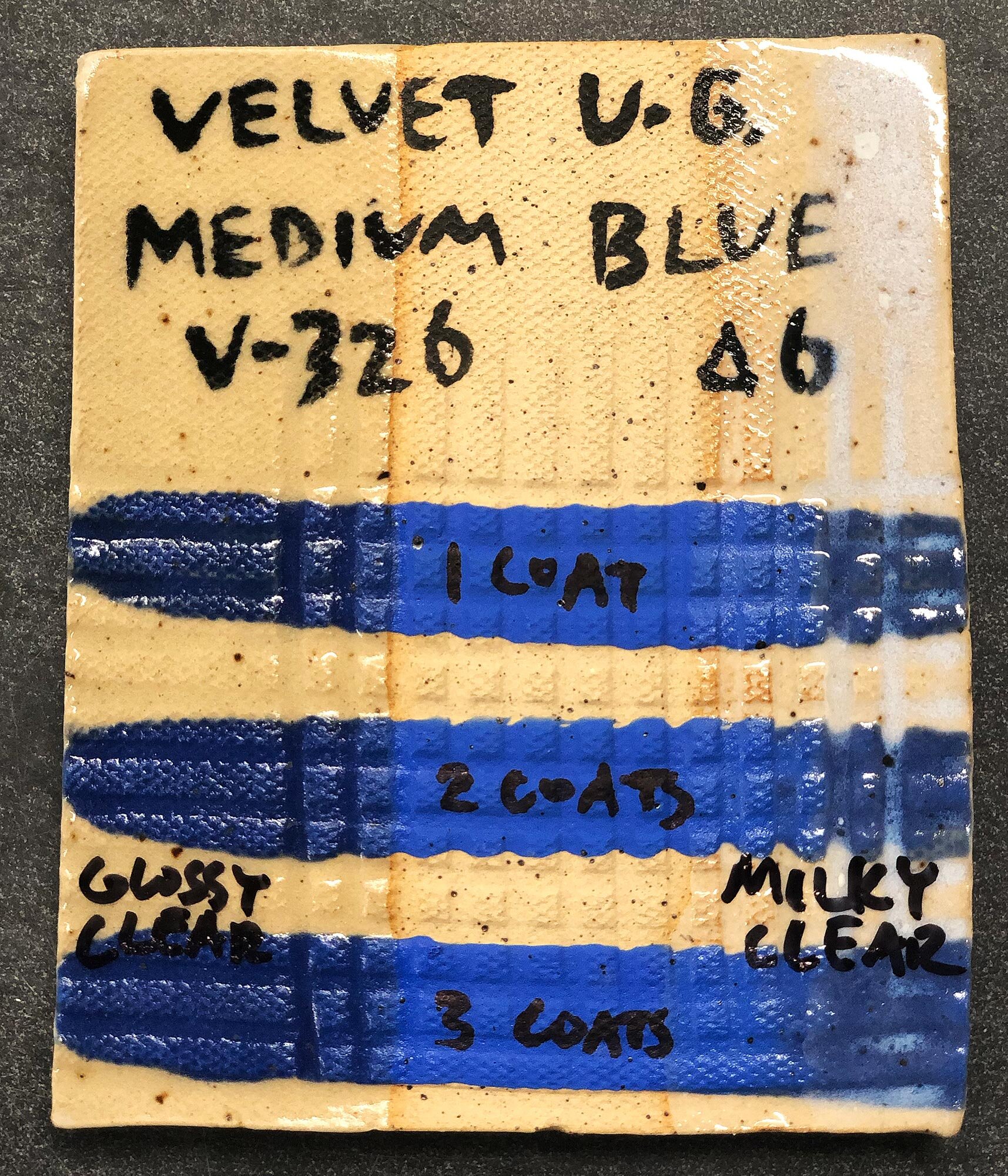
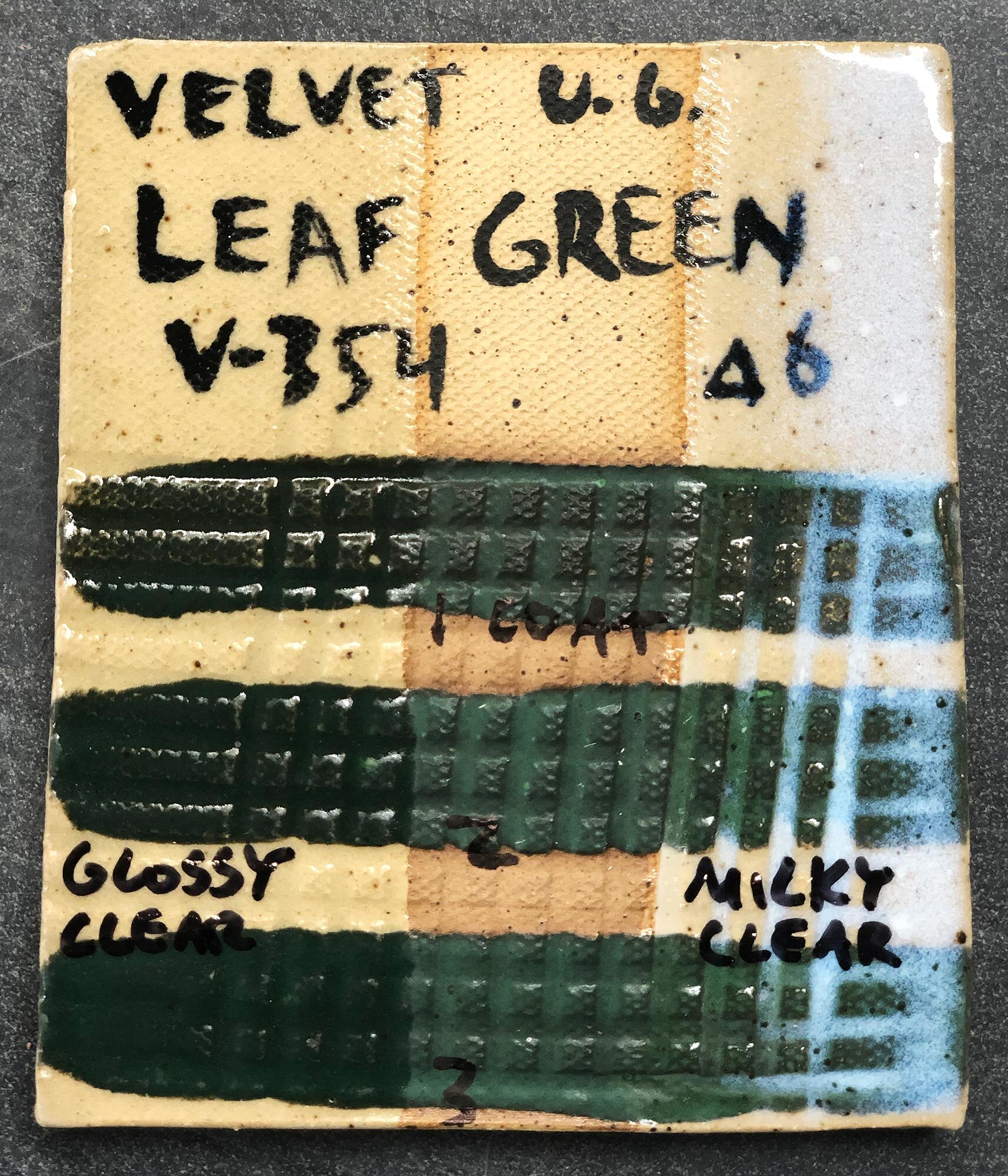
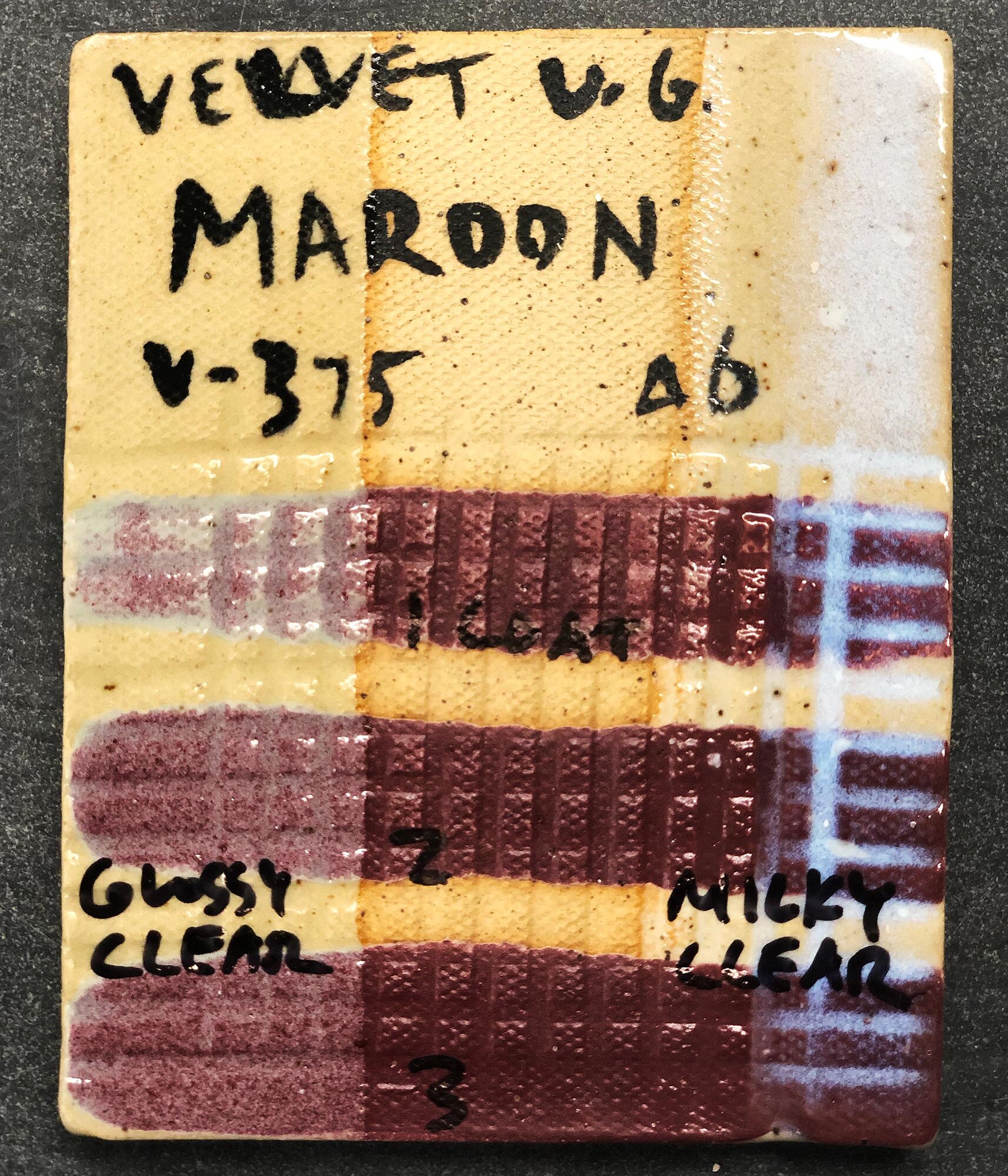
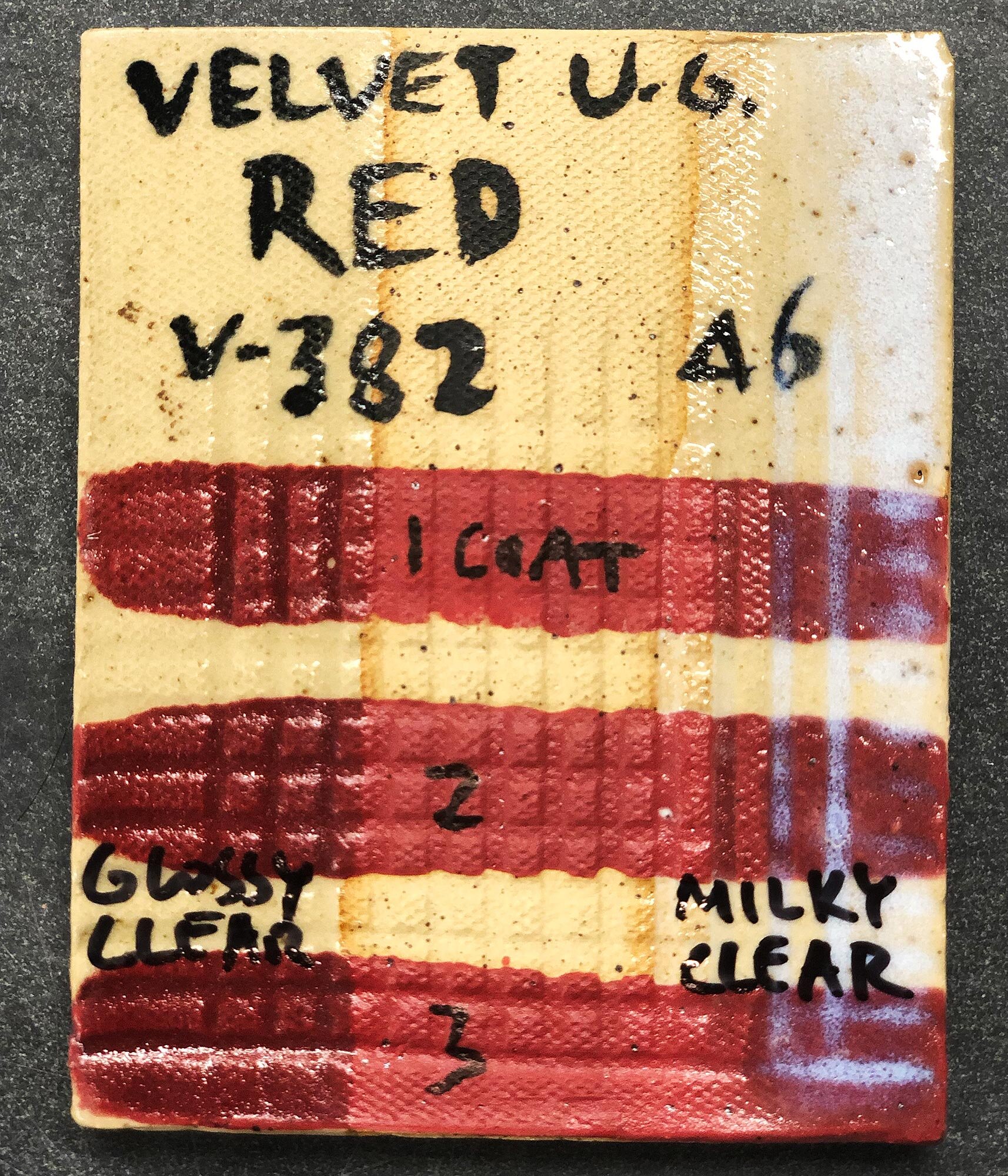
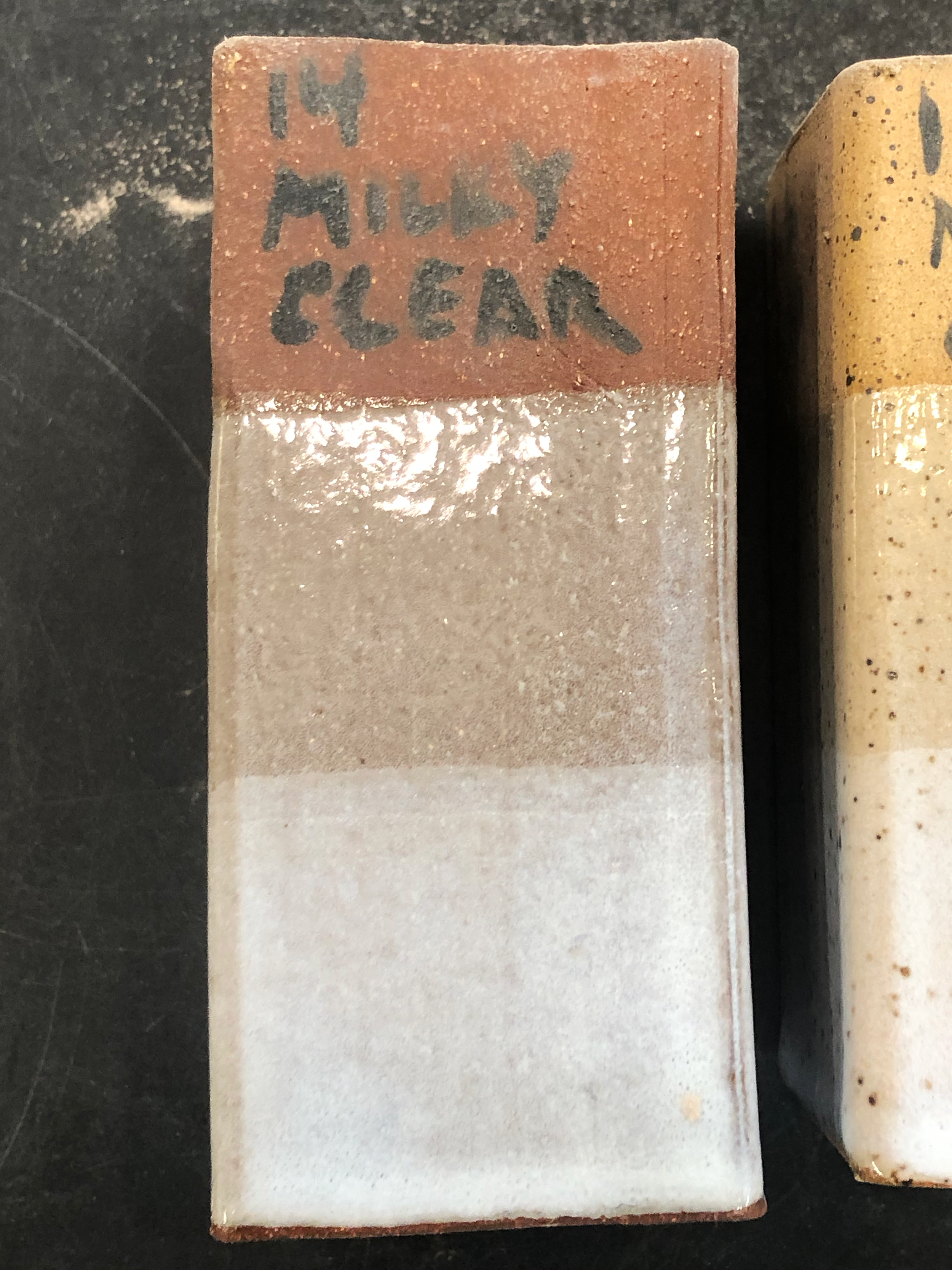
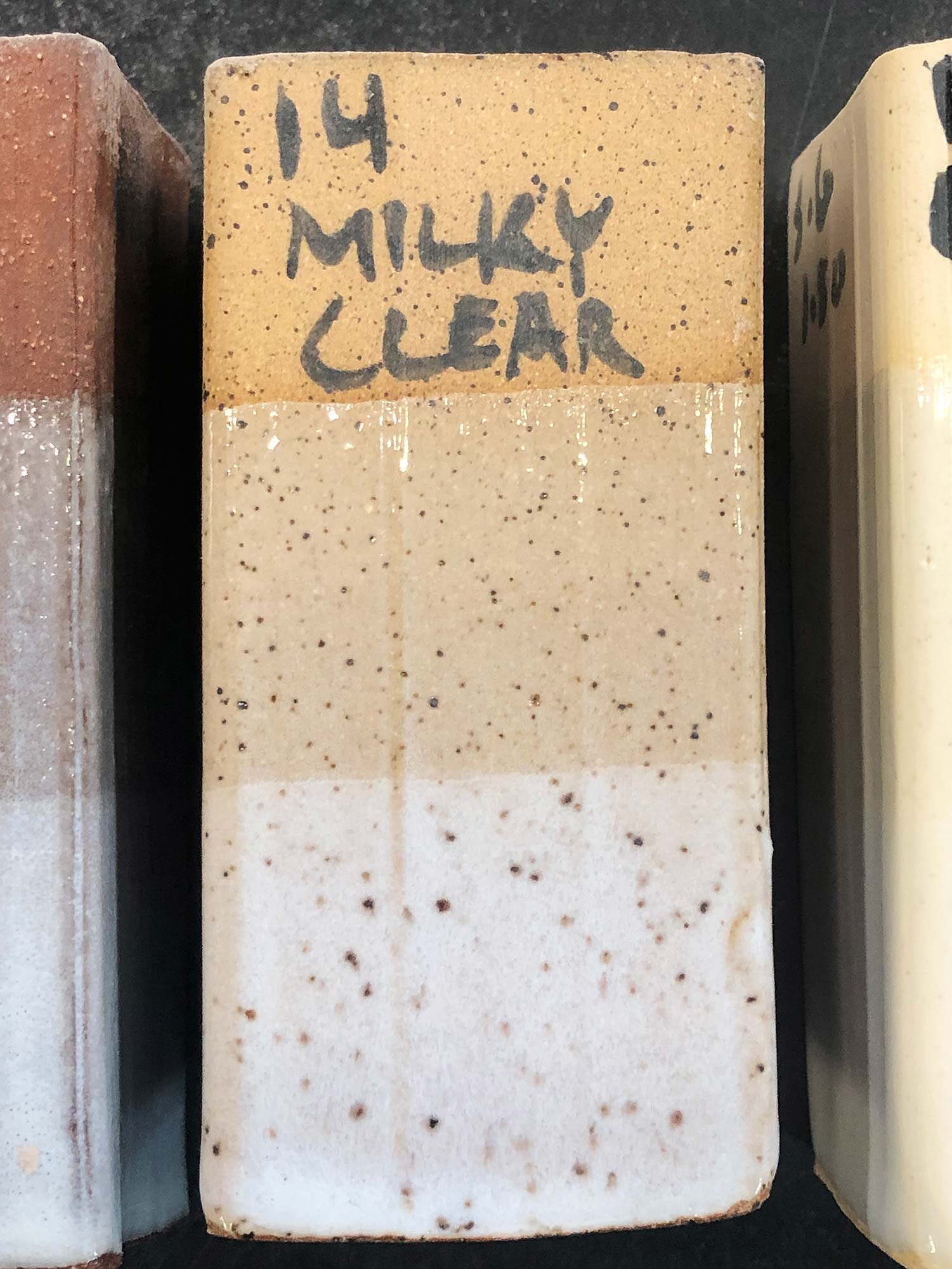
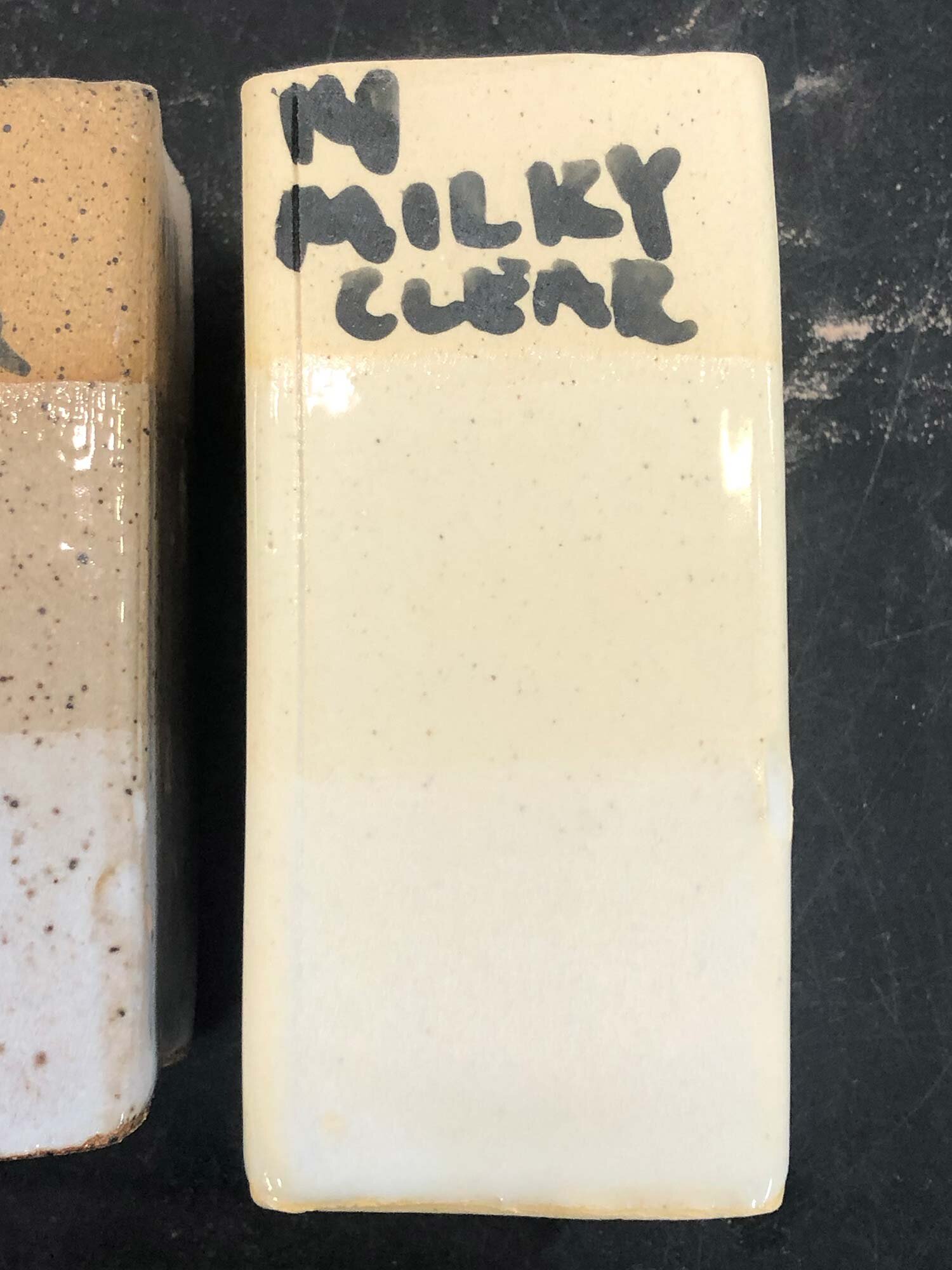
All images show 1, 2, or 3 coats of underglaze painted on a speckled stoneware fired at cone 6. The left side of the tile shows our Cone 6 Glossy Clear glaze on top, the middle section is unglazed, and the right side is our Cone 6 Milky Clear glaze. As commercial underglazes are quite expensive, I like to pair them with our economical clear glazes that are mixed from scratch.

AMACO V-309 Deep Yellow Velvet Underglaze on speckled stoneware fired at cone 6.This is a nice ochre / straw yellow that stays matte at Cone 6.

AMACO V-309 Deep Yellow Velvet Underglaze on speckled stoneware fired at cone 6.

This is a nice ochre / straw yellow that stays matte at Cone 6.

Shop V-309 Deep Yellow at Blick
 
 
V-325 Baby Blue Velvet Underglaze on speckled stoneware fired at cone 6.

V-325 Baby Blue Velvet Underglaze on speckled stoneware fired at cone 6.

Shop V-325 Baby Blue at Blick
 
 
AMACO V-326 Medium Blue Velvet Underglaze on speckled stoneware fired at Cone 6.This is an intense blue that stays matte at cone 6. It will turn a deeper blue underneath a clear glaze.

AMACO V-326 Medium Blue Velvet Underglaze on speckled stoneware fired at Cone 6.

This is an intense blue that stays matte at cone 6. It will turn a deeper blue underneath a clear glaze.

Shop V-326 Medium Blue at Blick
 
 
AMACO V-354 Leaf Green Velvet Underglaze with 1, 2, and 3 coats painted over speckled stoneware fired at cone 6.This leaf green turns more of an army / forest green at cone 6. It’s still a nice green, but I wouldn’t call it a leaf green at this temp…

AMACO V-354 Leaf Green Velvet Underglaze with 1, 2, and 3 coats painted over speckled stoneware fired at cone 6.

This leaf green turns more of an army / forest green at cone 6. It’s still a nice green, but I wouldn’t call it a leaf green at this temperature.

Shop V-354 Leaf Green at Blick
 
 
AMACO V-375 Maroon Velvet Underglaze painted in 1, 2, and coats on speckled stoneware fired at cone 6. *NOTE: this underglaze turns frosted white/maroon under our glossy clear.A decent option if you are looking for something on the red side of purpl…

AMACO V-375 Maroon Velvet Underglaze painted in 1, 2, and coats on speckled stoneware fired at cone 6. *NOTE: this underglaze turns frosted white/maroon under our glossy clear.

A decent option if you are looking for something on the red side of purple.

Shop V-375 Maroon at Blick
 
 
AMACO V-382 Red Velvet Underglaze painted in 1, 2, and 3 coats on speckled stoneware fired at cone 6.A great red underglaze, on the deeper side of the red spectrum. Stays matte at cone 6.

AMACO V-382 Red Velvet Underglaze painted in 1, 2, and 3 coats on speckled stoneware fired at cone 6.

A great red underglaze, on the deeper side of the red spectrum. Stays matte at cone 6.

Shop V-382 Red at Blick
 
 
AMACO V-387 Bright Red Velvet Underglaze painted in 1, 2, and 3 coats on speckled stoneware fired at cone 6.A few shades lighter and brighter than V-382, Bright Red is a a great red.

AMACO V-387 Bright Red Velvet Underglaze painted in 1, 2, and 3 coats on speckled stoneware fired at cone 6.

A few shades lighter and brighter than V-382, Bright Red is a a great red.

Shop V-387 Bright Red at Blick


About Underglazes

The best way to get bright, saturated colors on your ceramics are with commercial underglazes. Perfect for detail work or to cover large areas, underglazes are perfect for beginners, students, and experienced professionals. Not quite a slip and not quite a glaze, manufacturers generally mix underglazes with some sort of gum material that helps with brushability and getting the material to stick. That versatility allows them to be painted on leather hard greenware, bisqueware, and they will even stick on top of glaze for a refire.

Shop Underglazes at Blick

Do you have a favorite underglaze? Please share in the comments.